
BlogHow to manage Confluence document version control in 2025

How to manage Confluence document version control in 2025

Confluence tracks page history, but unmanaged edits and exports can still create version sprawl. This guide shows how to manage Confluence document version control with page history, simple approvals, and Papermark exports for external sharing with watermarks and audit logs.

Share secure documents

No credit card required

Page by page analytics
Require email verification
Require password to view
Allow/Block specified viewers
Apply Watermark
Require NDA to view
Custom Welcome Message

Quick recap of steps

  1. Use page history and labels to mark milestones.
  2. Limit edit rights; prefer inline comments for most collaborators.
  3. Add lightweight approvals for major versions.
  4. Export to PDF and share externally with Papermark links for auditability.
  5. Lock approved versions and rotate access after reviews.

Comparison: Confluence version control options

MethodBest forVersion historyExternal sharingSecurity
Page historyInternal collaborationBuilt-in historyInternal space linksSpace/page permissions
Approvals + labelsCritical docsMilestone labels/checkpointsInternal linksRole-based access
Papermark exportsExternal reviewersVersion history + audit logsSecure links, data roomWatermark, email verify, expiry

1. Use Confluence page history well

History exists, but milestones need labeling and controlled edits.

Step-by-step guide

  1. For important pages, add a version label (e.g., v1.0, v1.1) when stable.
  2. Keep editors limited; default others to View or Comment.
  3. Use inline comments for feedback to avoid overwriting.
  4. Before big changes, duplicate the page or export a PDF snapshot.
  5. Restore from page history if an unwanted change ships.

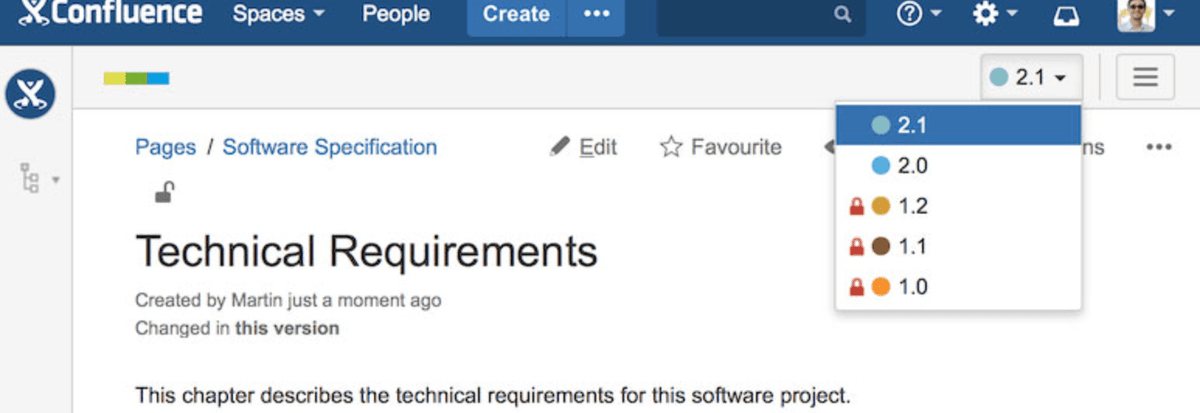
Confluence page history

2. Add lightweight approvals

Critical runbooks and policies need simple governance.

Step-by-step guide

  1. Add a top-of-page changelog: date, version, approver.
  2. Gate major versions (v1.0, v2.0) with an approval comment or task.
  3. Freeze approved versions as PDF and store in a read-only space or folder.
  4. Archive deprecated copies to reduce noise.
  5. Rotate access for contractors and external users after projects close.

3. Share Confluence exports via Papermark

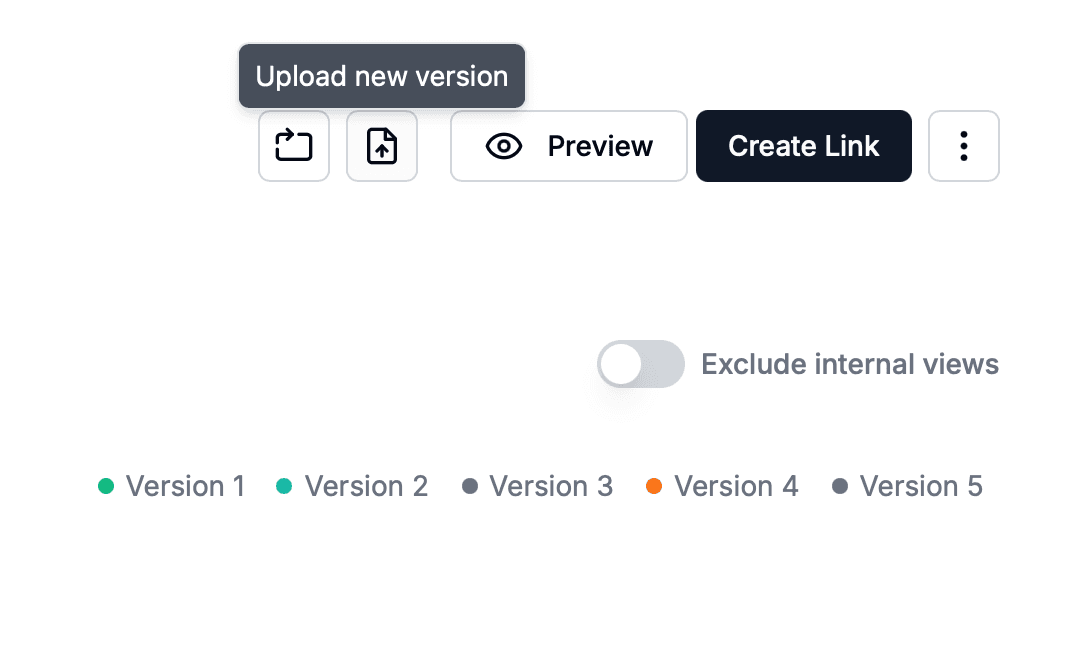
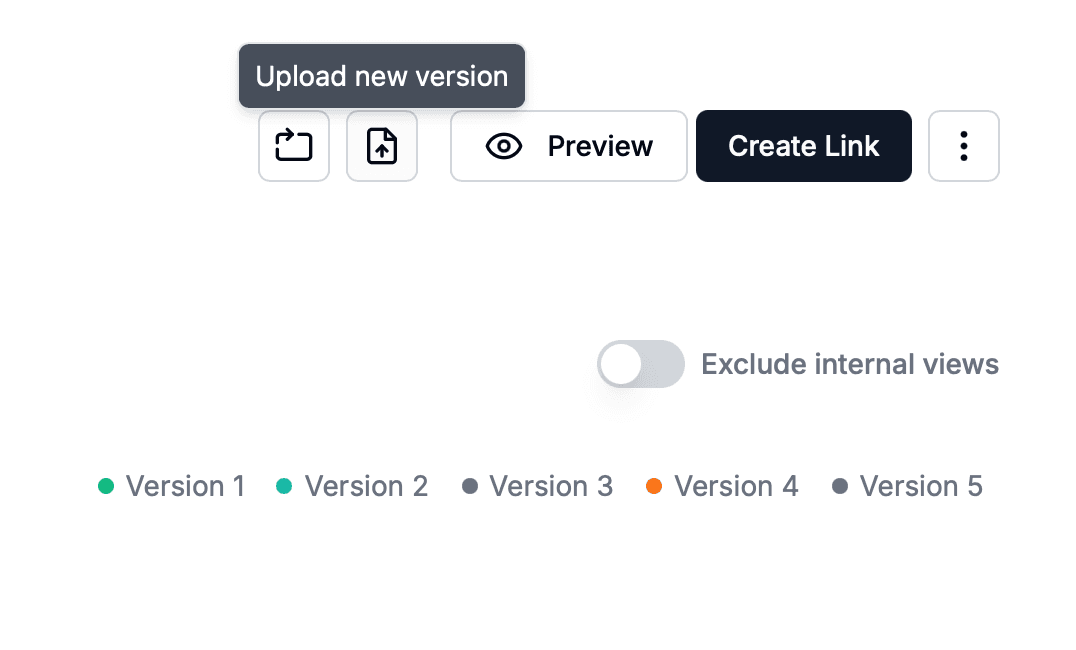
Papermark adds watermarking, audit logs, and revocable access for external sharing. Each upload creates a new version while keeping all previous versions accessible in the audit trail under one link.
Step-by-step guide

  1. Export your approved Confluence page to PDF and upload it to Papermark. Each upload creates a new version while maintaining complete version history under one live link, so recipients always see the latest without you needing to resend.

Upload document to Papermark

  1. Enable email verification, expiry, and password if needed.
  2. Turn on dynamic watermarking with viewer identity.
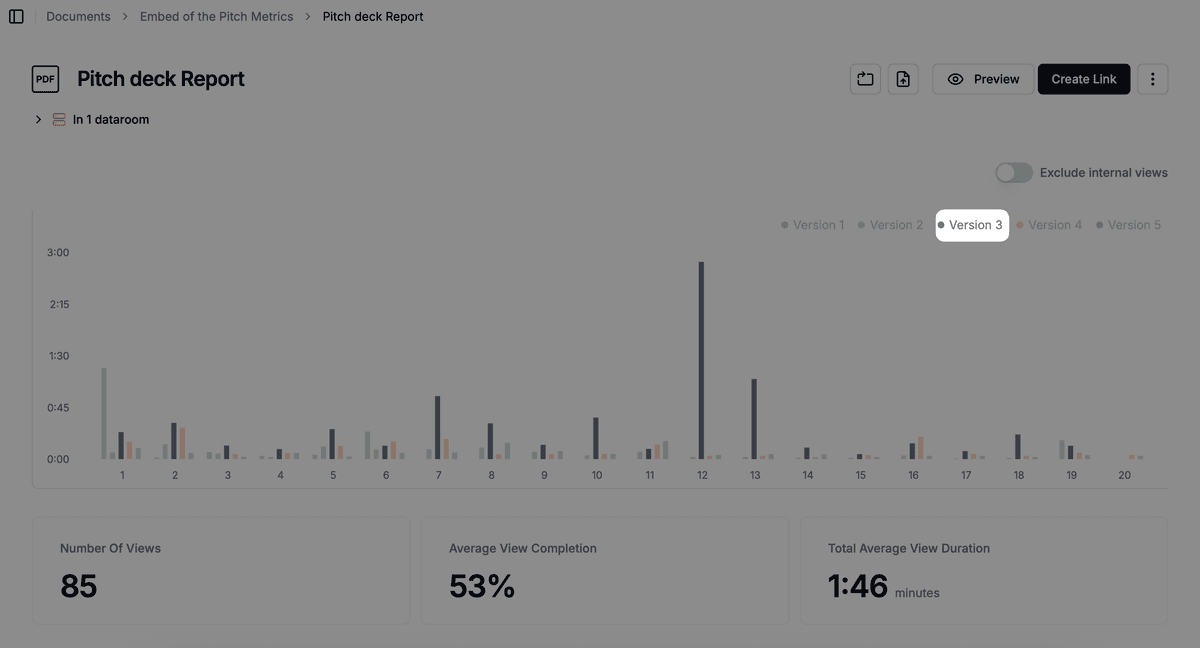
  3. Track page-level analytics, downloads, and view the complete version history with a full audit log showing who accessed what and when. Every version upload is recorded, making it easy to see which version was shared at any point in time.

Papermark version history and audit log

  1. When you need to update the document, simply export the new version from Confluence to PDF and upload it to the same Papermark link. Recipients automatically see the latest version, while previous versions remain accessible in the history for reference or rollback.

Protect your documents with advanced security

No credit card required

Page by page analytics
Require email verification
Require password to view
Allow/Block specified viewers
Apply Watermark
Require NDA to view
Custom Welcome Message

Best practices for Confluence version control

Label milestones, keep approvals lightweight, and restrict editors. Export approved versions to PDF and share via Papermark for watermarks, audit logs, and revocable access.

FAQ

More useful articles from Papermark

Ready to share your documents?