


datarooms
How to Start a Family Office in 2026 - Step by Step Guide
Learn how to start a family office from scratch. This guide covers planning, structure, staffing, technology, and everything you need to launch your family office.
"They were all trying to charge me 0.5-1.25% AUM... That was like $150K-$375K a year. I couldn't fathom paying my FA about one Lamborghini a year for their service."
— Tech executive with $120M+ portfolio, on why he chose a flat-fee advisor over a full-service family office
This quote from Reddit's r/fatFIRE captures a question every wealthy family faces: how do you structure wealth management without overpaying for it?
How you structure your family office determines its effectiveness. Get it right, and operations run smoothly. Get it wrong, and you'll face constant friction—or pay Lamborghini money for lackluster returns.
This guide covers everything from legal entity choice to organizational design, with real examples from people who've built family offices themselves.
Your family office needs a legal home. Several entity types work well.
The most popular choice for family offices. LLCs offer:
LLCs can be member-managed or manager-managed, giving you control over governance.
Common for family offices with investment focus. Benefits include:
The general partner manages; limited partners provide capital.
Less common but useful in specific situations:
Corporations work well when the family office employs many people or plans to eventually sell services externally.
For families with significant trust assets, a PTC allows family control over trusts.
PTCs are most common in trust-friendly jurisdictions like South Dakota, Nevada, or Delaware.
Where you establish your family office matters for taxes, privacy, and legal protections.
Delaware: Favorable business laws, privacy protections, Court of Chancery expertise.
Nevada: No state income tax, strong asset protection, privacy laws.
South Dakota: Premier trust jurisdiction, no state income tax, dynasty trusts.
Wyoming: Low costs, strong privacy, favorable LLC laws.
Some families establish offshore structures for:
Common jurisdictions include Cayman Islands, British Virgin Islands, Singapore, and Switzerland.
Work with international tax counsel before establishing offshore structures.
Legal structure is just the beginning. Governance determines how decisions get made.
The highest governing body. Typically includes:
Responsibilities:
Oversees family office operations. May include:
Meets monthly or quarterly to:
Focused specifically on investment decisions:
Can include family members, staff, and external advisors.
How you organize staff and functions shapes daily operations.
All functions report to a single executive (CEO/Executive Director).
Pros:
Cons:
Staff organized by specialty (investments, tax, legal, etc.).
Pros:
Cons:
Combines centralized leadership with functional expertise.
Most family offices use this approach—a strong executive coordinates specialized teams.
Define roles clearly to avoid confusion.
Chief Executive Officer / Executive Director
Chief Investment Officer
Chief Financial Officer
General Counsel
Director of Tax
Director of Estate Planning
Director of Philanthropy
You don't have to hire everyone full-time.
Full-time employees dedicated to your family office.
Best for: Core functions, relationship management, sensitive matters.
External providers handle specific tasks.
Best for: Specialized expertise, variable workloads, cost efficiency.
Common outsourced functions:
Most family offices combine in-house core staff with outsourced specialists.
Example structure:
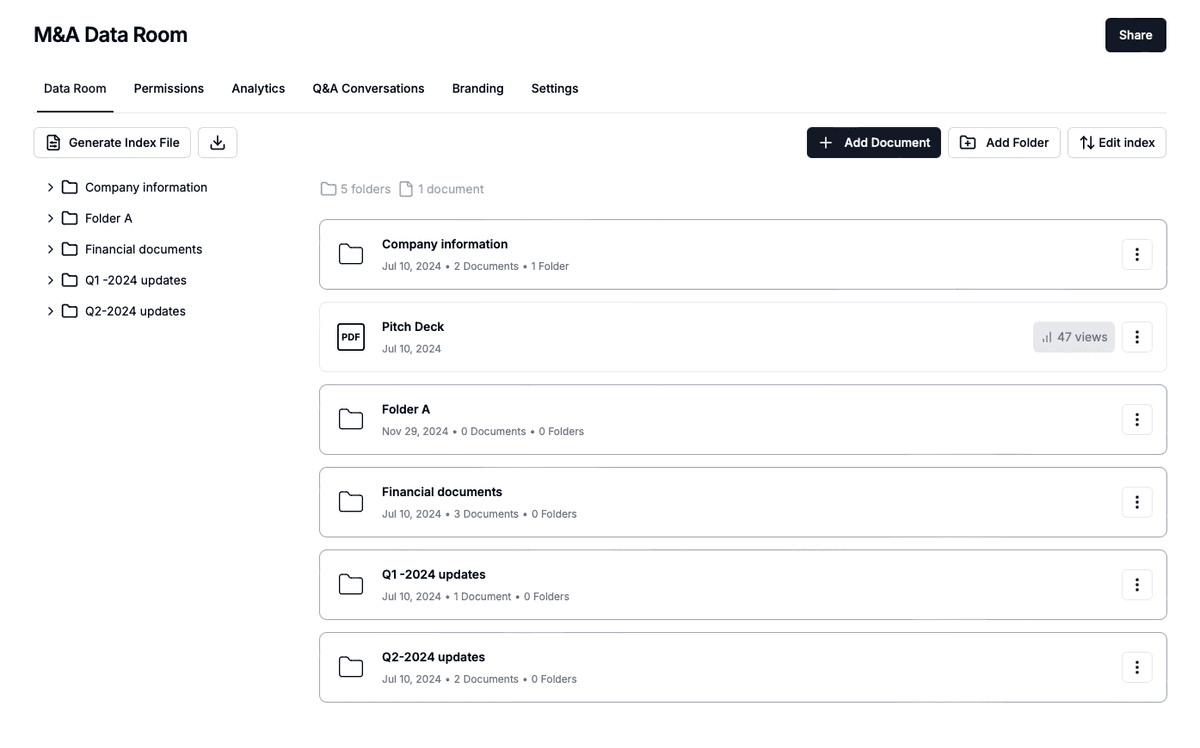
Structure includes how you organize information and systems.
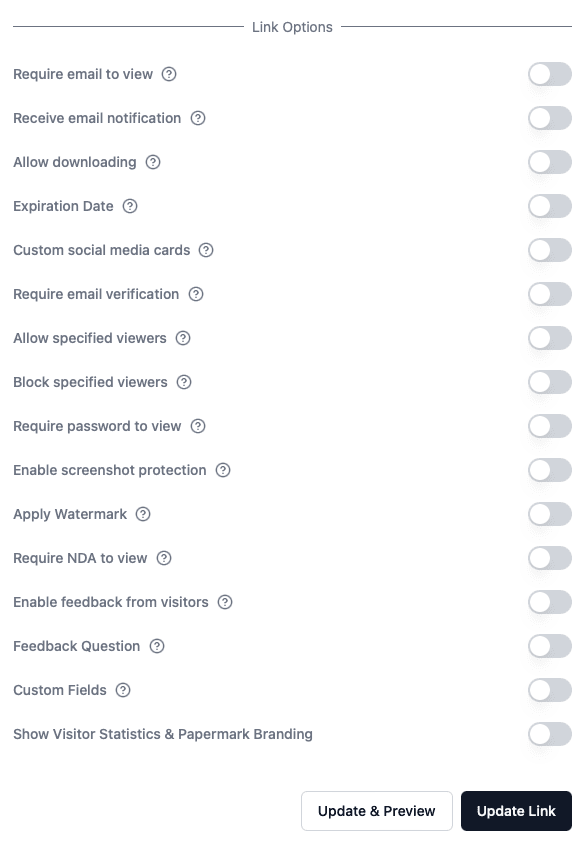
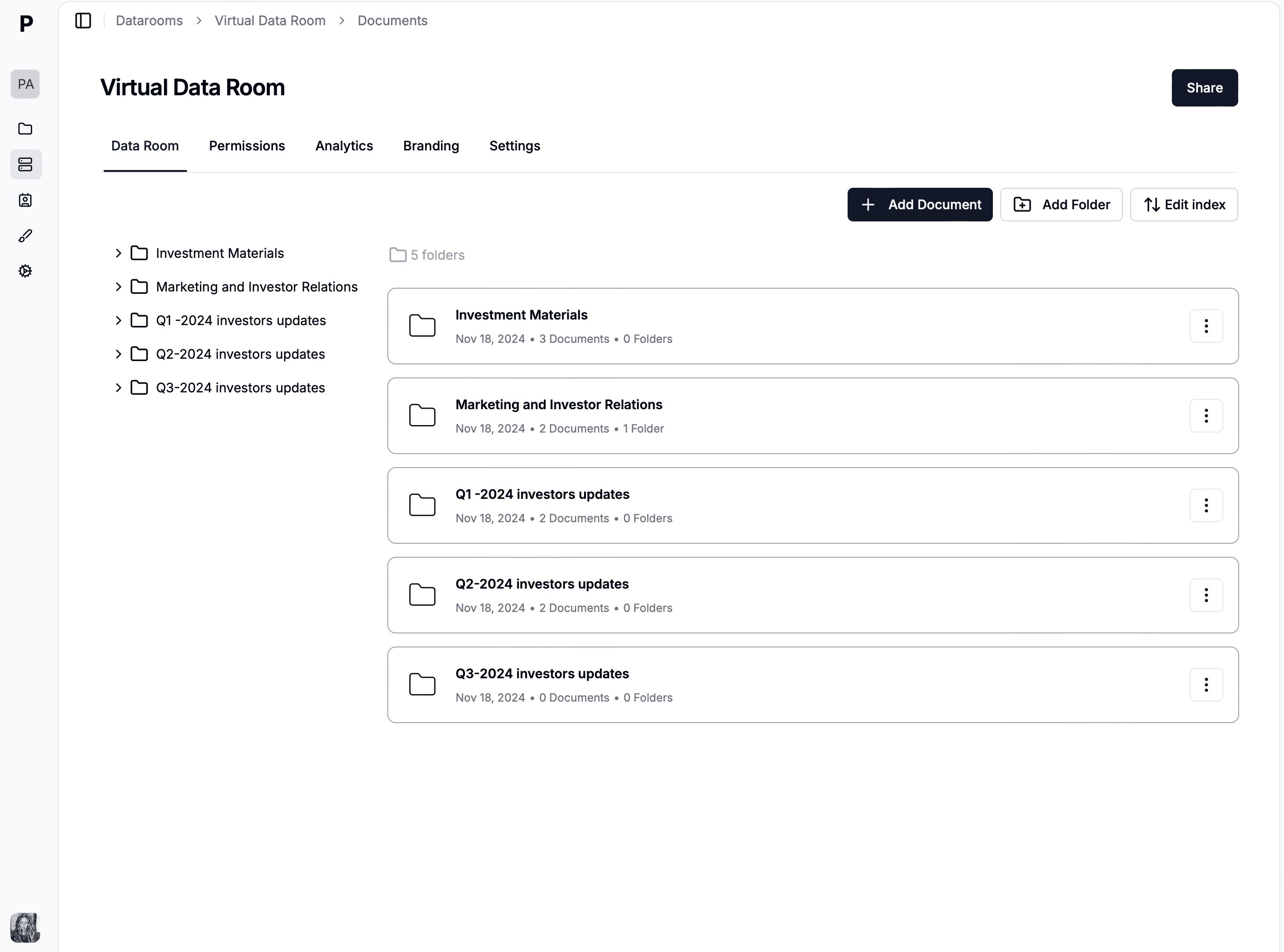
Central repository for all family documents:
Use secure data rooms with:
Document who can make what decisions.
| Decision Type | Family Council | Board | CEO | Investment Committee |
|---|---|---|---|---|
| Strategic direction | Approve | Recommend | Propose | - |
| Annual budget | Approve | Approve | Propose | - |
| Investments over $5M | - | Approve | Recommend | Recommend |
| Investments under $5M | - | - | Approve | Recommend |
| Staff hiring | - | Senior only | All other | - |
| Distributions | Approve | Recommend | Propose | - |
Customize thresholds and categories for your family's needs.
Define how information flows.
Here's how real families have structured their offices, based on actual discussions from Reddit's r/fatFIRE community:
A tech executive who accumulated wealth through an IPO shared his detailed approach to family office services. His "Confessions of a Hectomillionaire" series on Reddit became one of the most upvoted posts in the community:

Key insight: He was quoted $150K-$375K per year for full-service family office management (0.5-1.25% AUM). Instead, he chose a flat-fee DFA advisor.
His portfolio structure after IPO:
In Part 1 of the same series, this verified high-net-worth individual shared his philosophy on managing generational wealth:

Key takeaways:
A personal injury lawyer shared his journey building wealth through his law firm, with detailed insights on structuring a family business:

His approach to structuring wealth:
Several patterns emerge from real family office structures:
Start with MFO, not SFO. Even at $75-120M, many choose multi-family offices over building their own.
Fee sensitivity matters. High-net-worth individuals scrutinize AUM fees carefully—flat-fee or hybrid arrangements are popular.
Trusts are foundational. GST trusts, irrevocable trusts, and 529s appear consistently for tax efficiency and wealth transfer.
Family governance documentation. Family charters and written values help guide multi-generational decisions.
Hybrid staffing models. Most combine professional management with hands-on involvement in certain areas.
Avoid these pitfalls:
Unclear decision rights. If nobody knows who decides, decisions don't get made—or the wrong person makes them.
Over-complicated governance. More committees and approvals create bureaucracy. Keep it as simple as possible.
Under-investing in technology. Manual processes don't scale and create security risks.
Ignoring succession. What happens if key people leave? Plan for transitions.
Misaligned incentives. Staff compensation should align with family goals, not short-term metrics.
Build flexibility into your structure:
The best family office structures evolve over time while maintaining core principles.
Family office structure isn't one-size-fits-all. Your legal entity, governance model, and organizational design should reflect your family's unique needs.
Start with clarity on goals and decision-making. Build legal structure to match. Staff appropriately for your scale. Invest in systems that enable secure, efficient operations.
Most importantly, document everything. Good structure creates clarity that benefits your family for generations.
Learn how to start a family office from scratch. This guide covers planning, structure, staffing, technology, and everything you need to launch your family office.
Learn what a family office is, how it works, and why wealthy families use them to manage investments, estates, and multi-generational wealth.
A comprehensive legal due diligence checklist covering contracts, compliance, intellectual property, and litigation documentation. Learn how to organize and manage legal due diligence with a virtual data room.