BlogData Analytics in Private Equity (2025 Guide)

Data Analytics in Private Equity (2025 Guide)

Why data analytics matters in private equity

Modern private equity teams rely on data to make faster, higher‑confidence decisions from sourcing to exit. A robust analytics approach improves diligence quality, accelerates value‑creation, and sharpens exit timing. It also enables oversight at the portfolio level through standardized KPIs and timely reporting.

Leading firms build 360° views of portfolio performance, use embedded analytics to guide operators, and align people, process, and technology around a modern data strategy—translating analysis into actions that move EBITDA and multiples.

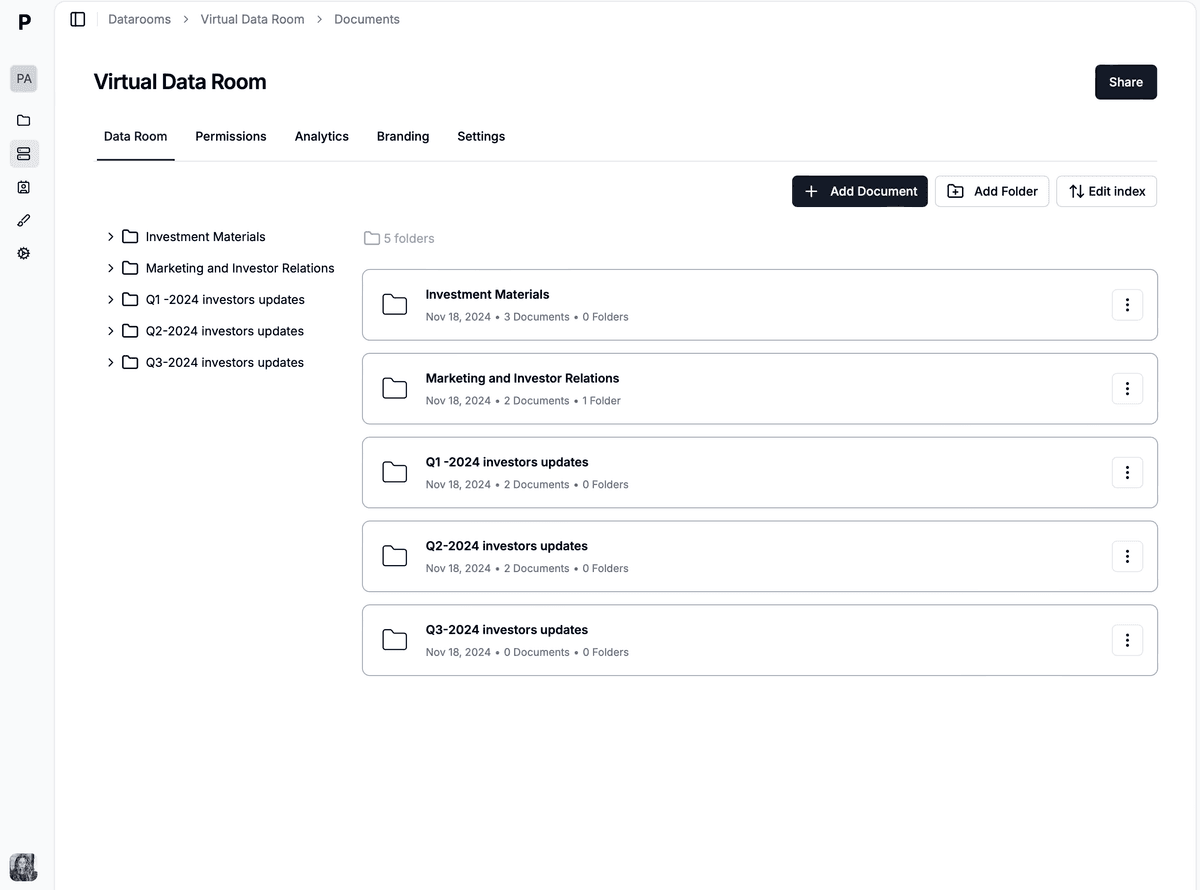
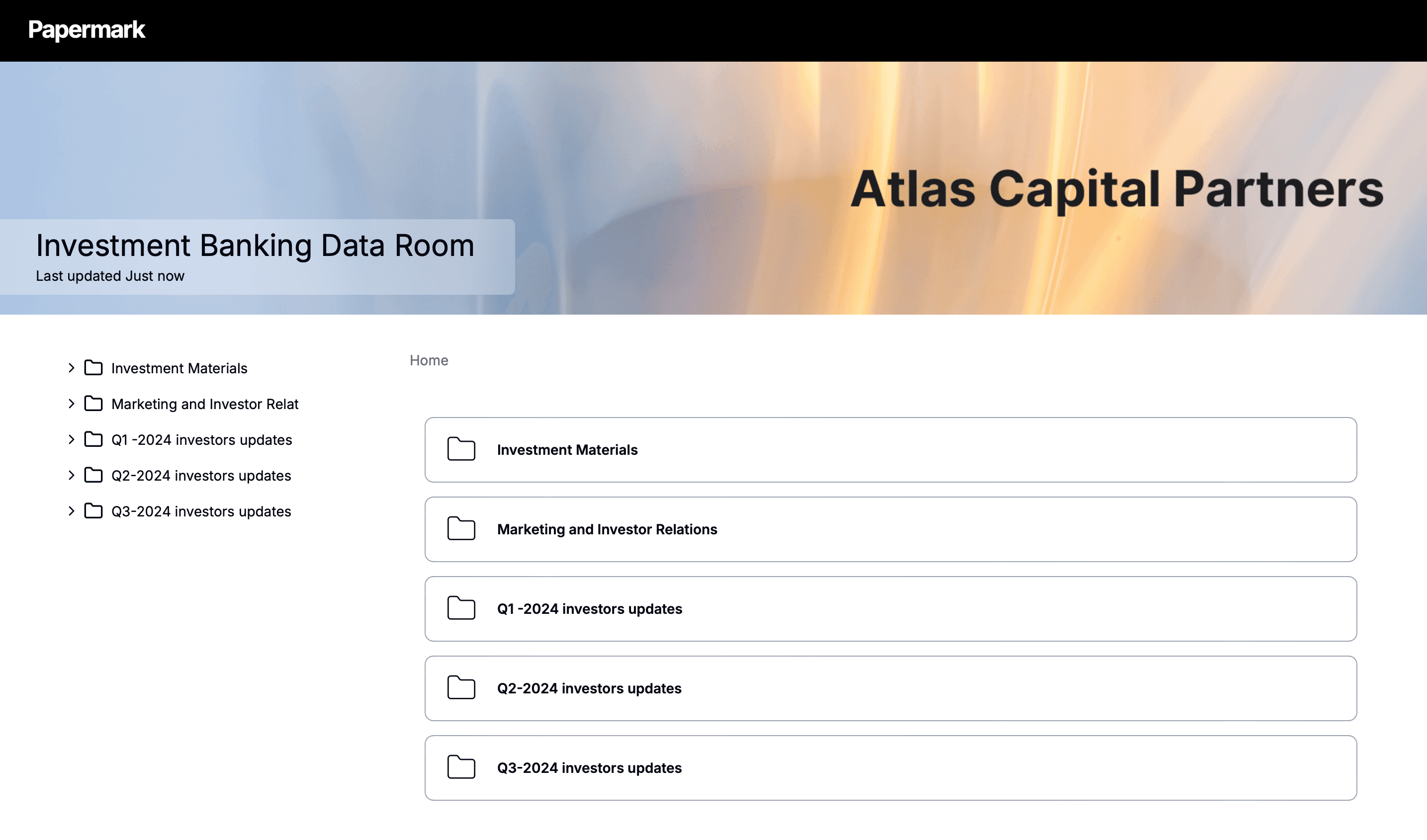
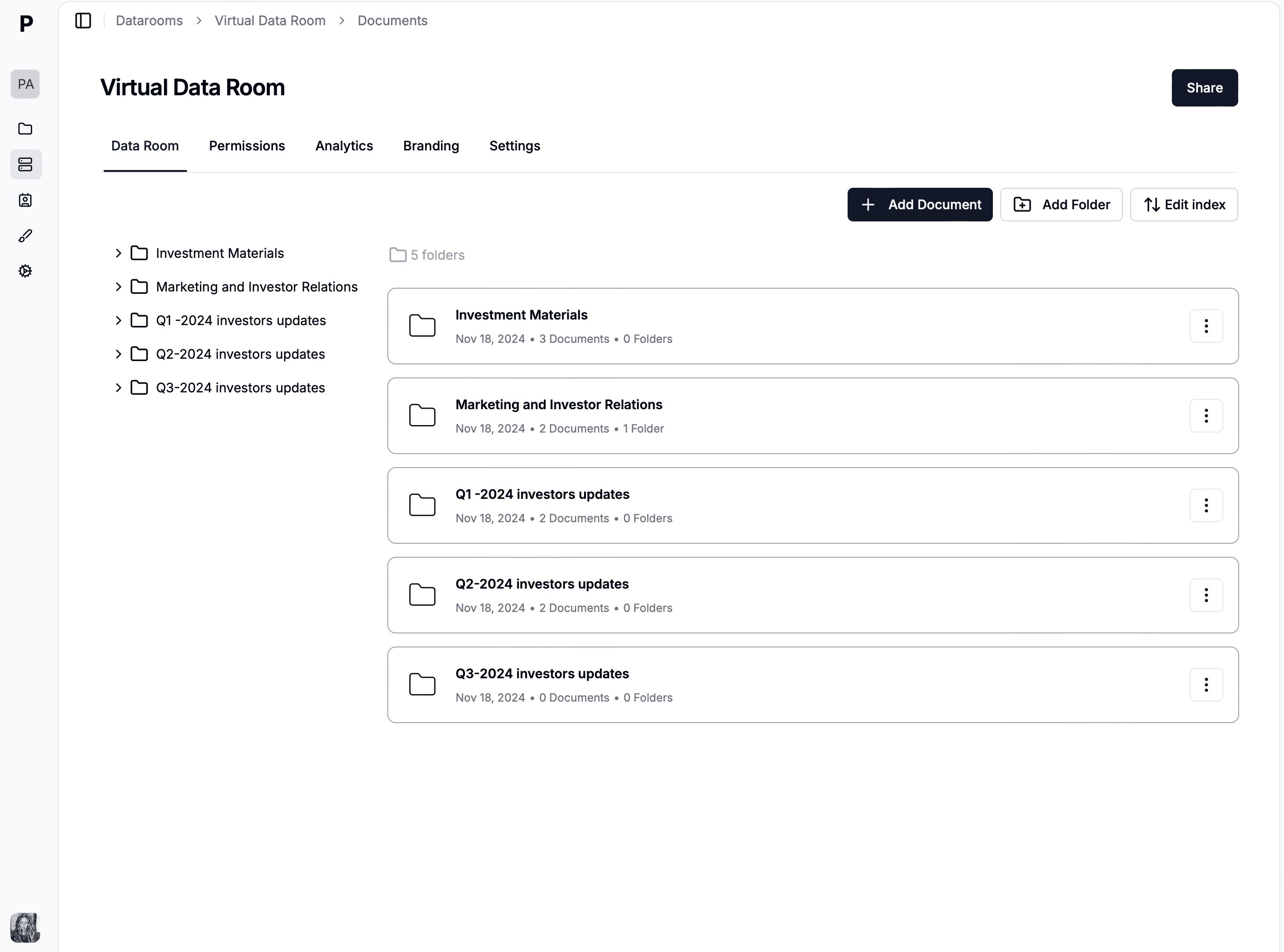
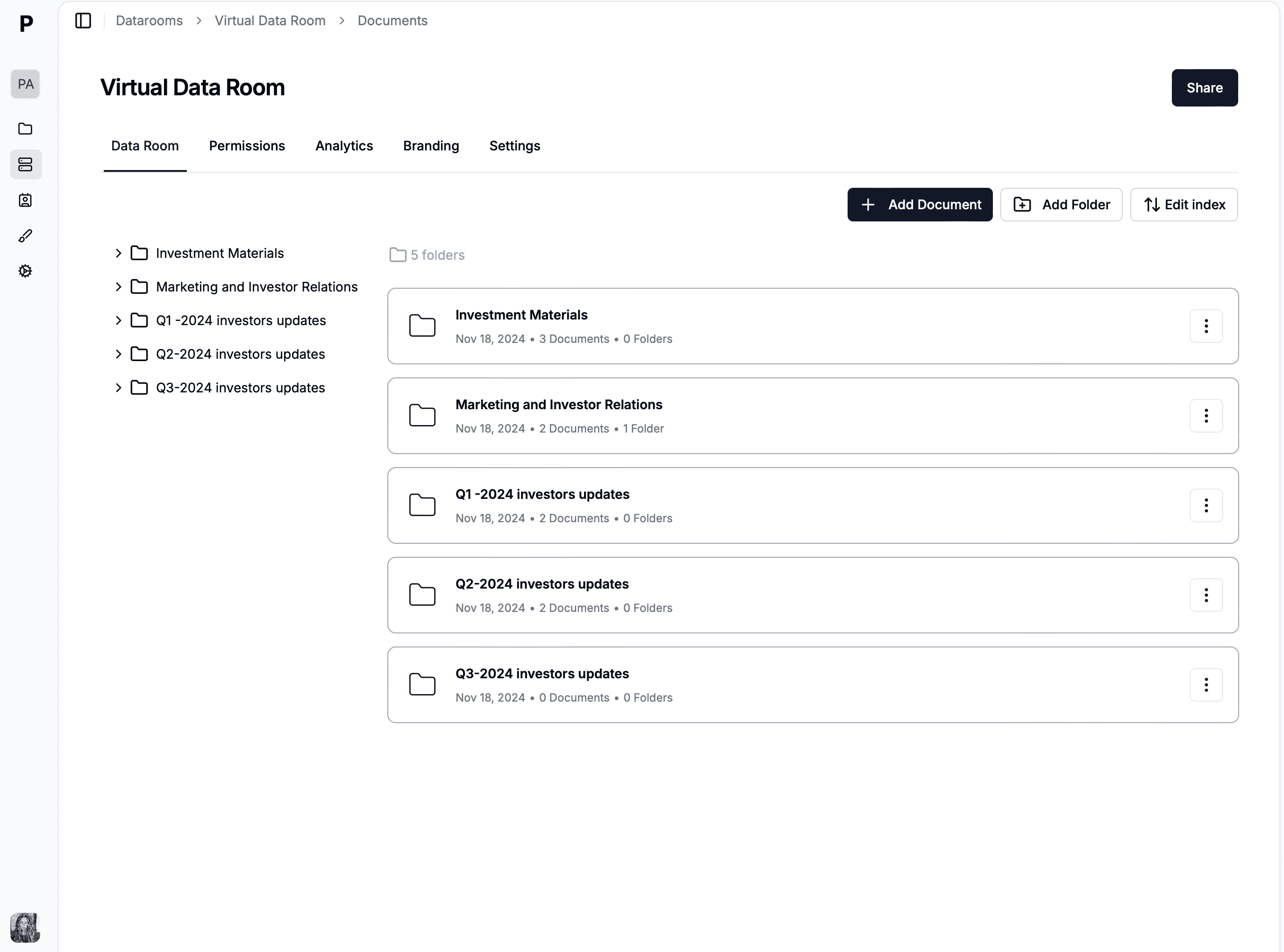
Papermark private equity data room

Where analytics drives outcomes in PE

  1. Diligence acceleration: normalize multi‑source data, run cohort and unit economics, validate forecasts, and quantify value‑creation levers.
  2. Value‑creation sprints: instrument funnels, pricing, churn, and ops KPIs; run A/B tests; set weekly KPI cadence and owner playbooks.
  3. Portfolio oversight: standardized KPI packs for boards, early warning signals, cross‑portfolio benchmarks, and capital allocation decisions.
  4. Exit readiness: KPI consistency, clean rooms, commercial metrics storytelling, and data‑supported equity stories.

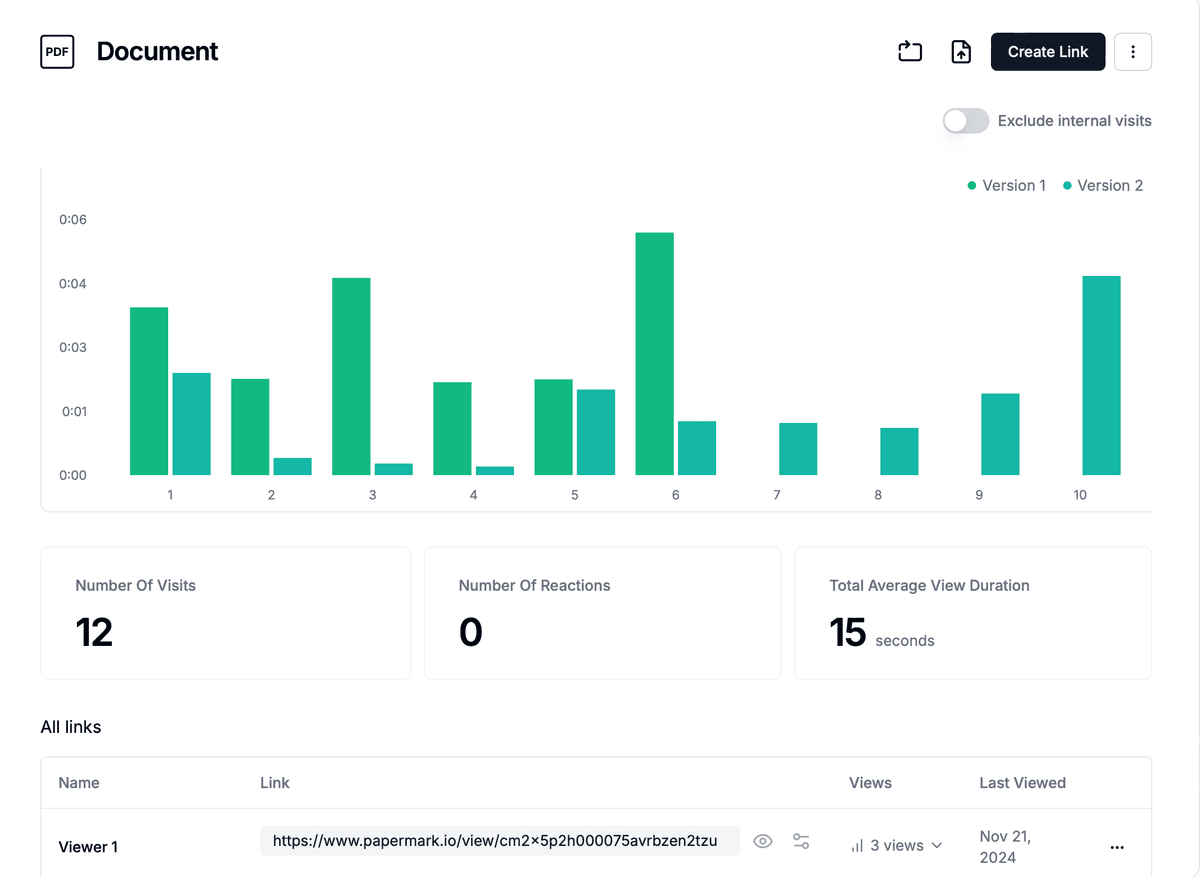
Papermark document analytics

Core PE KPIs to operationalize

  • Revenue quality: recurring %, NRR/GRR, cohort retention, upsell/cross‑sell
  • Unit economics: CAC payback, LTV/CAC, gross margin by product/segment
  • Go‑to‑market: pipeline coverage, conversion by stage, sales velocity
  • Product and customer: active users, feature adoption, NPS/CSAT, churn reasons
  • Operations: on‑time delivery, SLA adherence, inventory turns, error rates
  • Finance: cash conversion cycle, OPEX by function, working capital

A pragmatic modern data stack (PE‑friendly)

  • Ingestion: Fivetran / Airbyte for SaaS and database connectors
  • Warehouse: Snowflake / BigQuery for elastic scale and governance
  • Transform: dbt to version models and standardize metrics
  • BI: Looker / Power BI / Tableau for governed dashboards and self‑serve
  • Reverse ETL: Census / Hightouch to operationalize insights in CRM/ERP/marketing
  • Governance: data catalog, lineage, access controls, PII policies

Tip: standardize a baseline portfolio schema so every new platform integrates faster. Each company can extend with domain‑specific models without breaking comparability.

Implementation playbook (30–60–90 days)

Days 0–30: Foundation

  1. Define business questions and decision cadence at HoldCo and company levels.
  2. Select target KPI set and owners; map sources (CRM, ERP, billing, product, CS).
  3. Stand up warehouse, connectors, and first dbt models; publish versioned metrics.
  4. Ship v1 dashboards for the top 10 questions; start weekly KPI reviews.

Days 31–60: Scale and operationalize

  1. Add product/finance depth (cohorts, payback, margin waterfall, price/volume/mix).
  2. Enable reverse ETL to push segments and alerts into CRM/marketing tools.
  3. Instrument A/B testing or pricing experiments with readouts.
  4. Create portfolio benchmarks and board‑pack templates.

Days 61–90: Optimize and govern

  1. Harden governance: data catalog, lineage, access, PII policies, SLAs.
  2. Automate board decks; add narrative and comparisons to last quarter.
  3. Implement issue tracking for data defects and dashboard improvements.
  4. Prepare exit‑readiness package: clean rooms, KPI glossary, data story.

Running analytics in the VDR and board cadence

A virtual data room centralizes analytics during deals and post‑close:

  • Store KPI packs, source extracts, and model documentation
  • Share buyer‑specific rooms with tailored visibility
  • Track what pages investors read to focus follow‑ups
  • Maintain audit trails and NDA‑gated access for sensitive data

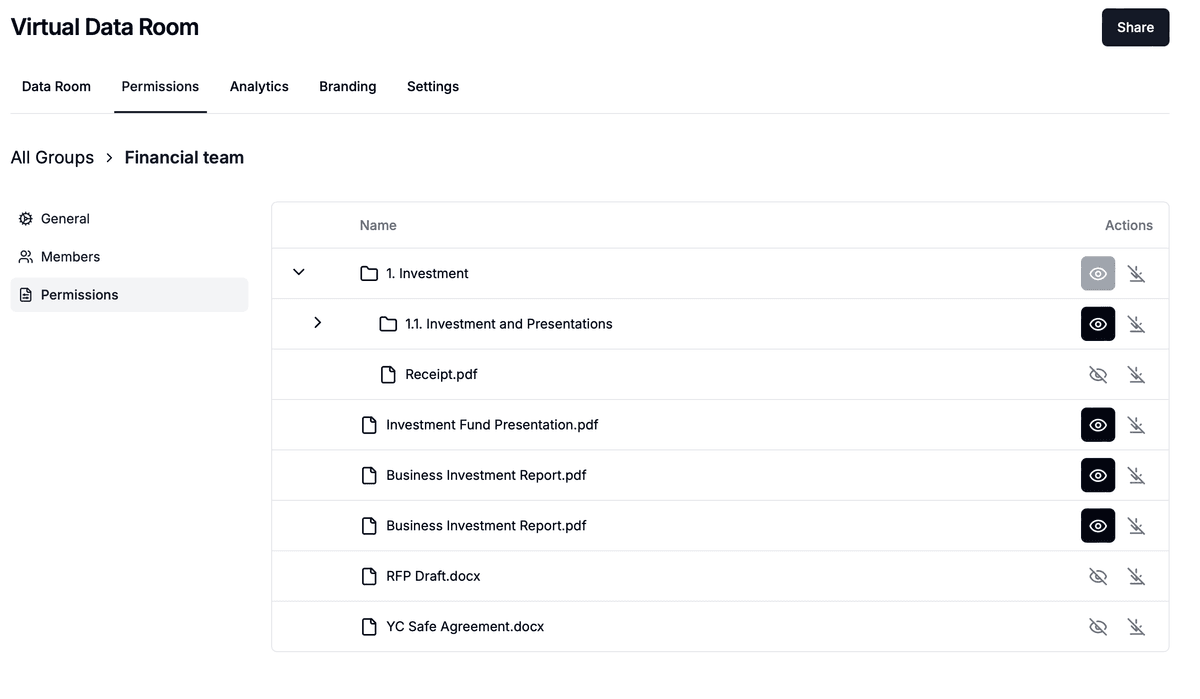
Granular permissions

Best practices for PE analytics

  • Start with decisions, not tools—define questions and cadences first
  • Keep a shared KPI glossary and versioned metric definitions
  • Make owners accountable; review weekly with clear actions
  • Land and expand: prove value with one lever (pricing or churn), then scale
  • Build once, reuse everywhere: portfolio schema + company extensions
  • Govern early: access policies, PII handling, change management

Example: Weekly KPI pack structure

  1. Executive summary: what changed, why, actions
  2. Revenue quality and cohort retention
  3. Unit economics and CAC payback
  4. Pipeline, win rates, and sales velocity
  5. Product adoption and customer health
  6. Margin waterfall and working capital
  7. Risks, experiments, and next‑week commitments

FAQ

More useful articles from Papermark

Ready to try Papermark?