


document-sharing
Video content management strategy in 2026
Comprehensive Guide to Mastering Video Content Management Strategy in 2026, from planning to post-implementation optimization
Navigating the world of enterprise content management can be a complex challenge, especially with the ever-evolving landscape of digital content, compliance requirements, and collaboration needs. In this comprehensive guide, we'll explore the intricacies of enterprise content management strategy, providing you with the tools and knowledge needed to successfully plan, implement, and optimize your ECM approach in 2026.
From understanding different ECM strategies to building stakeholder relationships and leveraging technology, this guide covers everything you need to know. Whether you're a first-time ECM implementer or an experienced IT leader, our goal is to equip you with actionable insights to elevate your content management efforts. So, let's dive in and demystify the world of enterprise content management strategy!
Here's a quick summary of the key takeaways from our comprehensive guide on enterprise content management strategy:
Understanding the various ECM strategy approaches available is crucial for organizations to choose the best path for their content management needs and organizational structure. Each strategy approach comes with its own set of benefits and challenges. From centralized to hybrid and cloud-first approaches, knowing the right ECM strategy can significantly impact your organization's content management success.
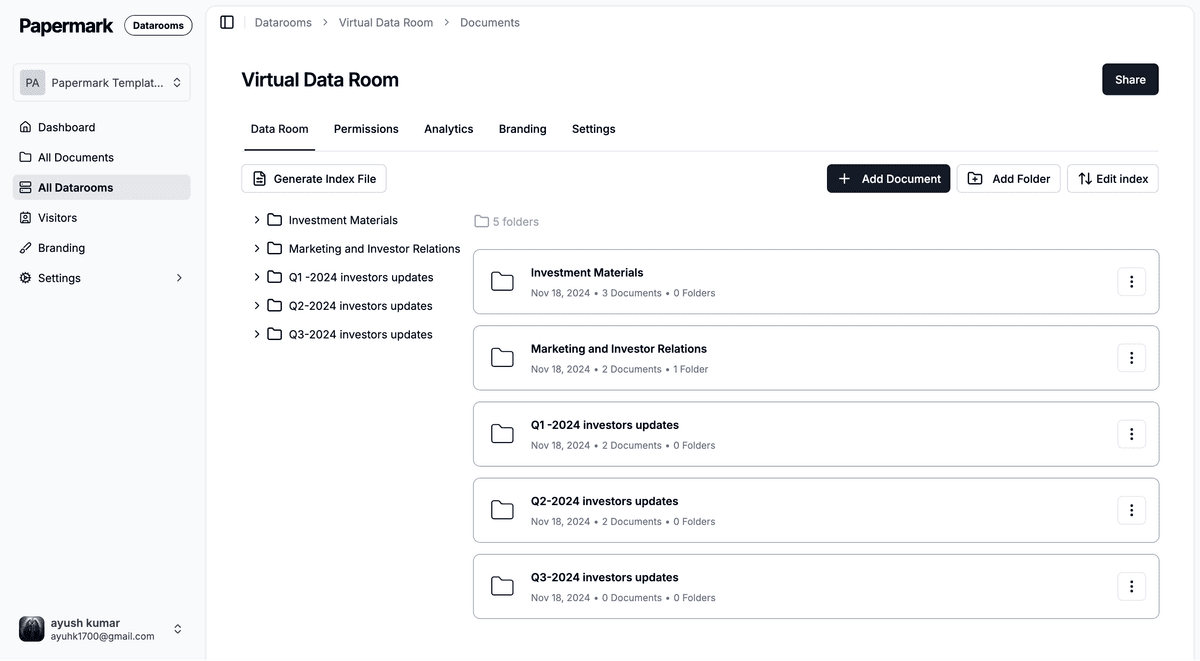
A centralized ECM strategy involves using a single platform to manage all organizational content across departments. This approach allows you to maintain consistent governance and unified access but may require significant change management across the organization.
Using one ECM platform across the organization reduces complexity, enables consistent governance policies, and simplifies user training. It's a great way to ensure all departments follow the same content management standards and processes.
Implementing a centralized ECM requires strong executive support, comprehensive change management, and careful planning to address different departmental needs. This method is often used by organizations seeking to eliminate content silos and improve cross-departmental collaboration.
A hybrid ECM strategy combines cloud-based and on-premises solutions to meet different organizational requirements. They are often used by organizations that need flexibility in deployment while maintaining control over sensitive content.
Balancing cloud and on-premises solutions allows organizations to leverage cloud benefits for non-sensitive content while keeping critical data on-premises. This approach provides flexibility but requires careful integration planning.
Hybrid ECM strategies require robust integration capabilities to ensure seamless content access across cloud and on-premises systems. Building these integrations effectively can provide the best of both deployment models.
A departmental ECM approach involves separate systems for different departments with strategic integration points. This type of strategy is ideal for organizations with diverse departmental needs that require specialized solutions.
Different departments may have unique content management requirements. Finance may need strong compliance features, while marketing may prioritize collaboration tools. A departmental approach allows each department to choose solutions that best fit their needs.
Effective integration between departmental systems is crucial for maintaining organizational coherence. APIs, connectors, and integration platforms help ensure content can flow between departments when needed.
A cloud-first ECM strategy prioritizes cloud-based solutions for content management, leveraging scalability, automatic updates, and reduced IT overhead. This approach is ideal for organizations that want to minimize infrastructure management.
Cloud-first ECM provides automatic updates, scalability, mobile access, and reduced IT maintenance. Organizations can focus on content management rather than infrastructure management.
Choosing the right cloud ECM vendor is crucial for a cloud-first strategy. Consider factors like security, compliance, integration capabilities, and vendor reliability when selecting your cloud ECM platform.
An open-source ECM strategy involves using self-hosted, open-source solutions that provide full control and customization capabilities. This approach is ideal for organizations that need flexibility and want to avoid vendor lock-in.
Open-source ECM solutions like Papermark and Alfresco provide organizations with the ability to customize the platform to their specific needs. This flexibility allows organizations to adapt the software to their unique workflows and requirements. For a detailed comparison of open-source and commercial ECM solutions, see our guide on enterprise content management software.
Self-hosting open-source ECM requires IT resources for deployment, maintenance, and updates. Organizations need to evaluate whether they have the technical capabilities to manage self-hosted solutions effectively.
A secure document sharing focus strategy emphasizes external document sharing with analytics and tracking capabilities. This approach is ideal for organizations that frequently share documents with external parties and need visibility into document engagement.
Organizations in finance, legal, consulting, and other industries often need to share documents with clients, investors, or partners. A secure document sharing focus ensures these interactions are tracked, secure, and professional.
Understanding who viewed documents, when they accessed them, and how long they spent on each page provides valuable insights for business development and relationship management. Platforms like Papermark provide detailed page-by-page analytics for external document sharing.
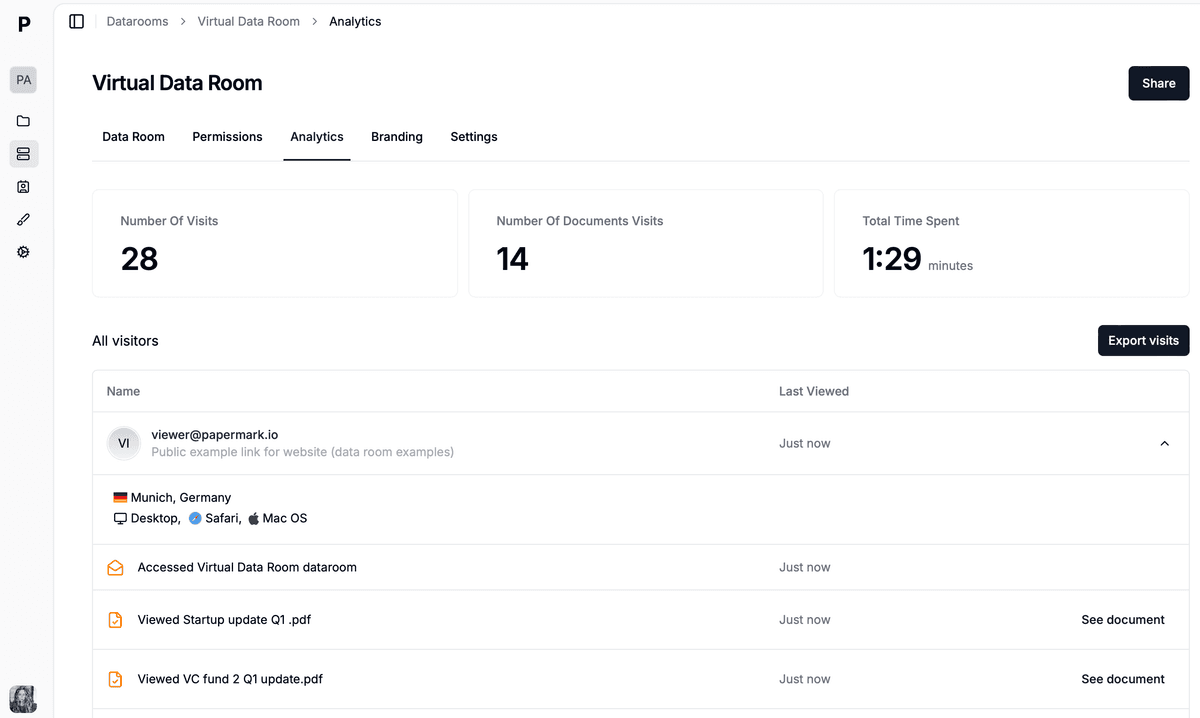
Preparation is key to successful ECM implementation, involving thorough planning, content auditing, and stakeholder analysis. A well-prepared organization can present a compelling case for ECM adoption, increasing the likelihood of successful implementation and user adoption.
| Preparation Area | Key Activities | Outcomes |
|---|---|---|
| Content Audit | Catalog all existing content across systems and locations; Assess content value, relevance, and retention requirements; Understand who accesses what content and how frequently | Complete inventory of existing content, identification of content gaps, understanding of current content management challenges |
| ECM Requirements | Identify functional requirements (document management, version control, search, workflow automation, access controls); Define technical requirements (integration needs, security standards, compliance, scalability, deployment preferences) | Clear, specific, and measurable requirements document that guides platform selection and implementation planning |
| Stakeholder Analysis | Identify stakeholders across departments, IT, compliance, legal, and executive leadership; Conduct interviews, surveys, and workshops to gather requirements; Understand pain points, desired features, and concerns | Comprehensive understanding of stakeholder needs, priorities, and concerns; Strong support base for ECM adoption |
Execution involves selecting the right platform, planning implementation, and managing change. A well-executed ECM strategy can significantly increase the likelihood of successful adoption and organizational benefits.
Research and evaluate ECM platforms that align with your strategy, requirements, and budget. Building a targeted evaluation process increases the chances of finding the right platform for your organization.
For a comprehensive comparison of ECM platforms, see our guide on enterprise content management software.
Compare multiple ECM platforms using your evaluation criteria. Consider factors like pricing, deployment options, feature sets, and vendor reputation. Create a scoring matrix to objectively compare options.
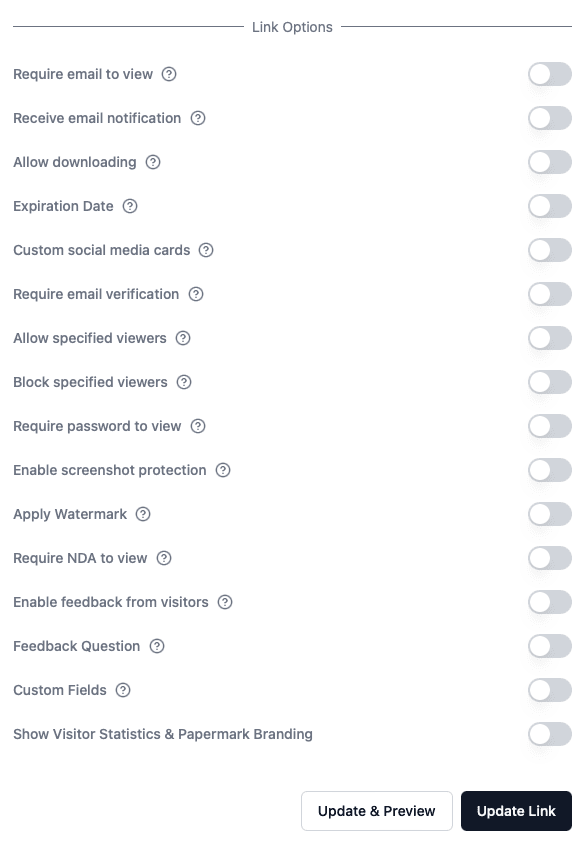
A detailed implementation plan outlines phases, timelines, resources, and success metrics. Careful planning reduces risks and ensures a smooth implementation process.
Break implementation into manageable phases, starting with pilot departments or use cases. Phased implementation allows organizations to learn, adjust, and build momentum before full deployment.
Effective change management is crucial for ECM adoption. Develop training programs, communication plans, and support resources to help users transition to the new system. Address resistance and concerns proactively.
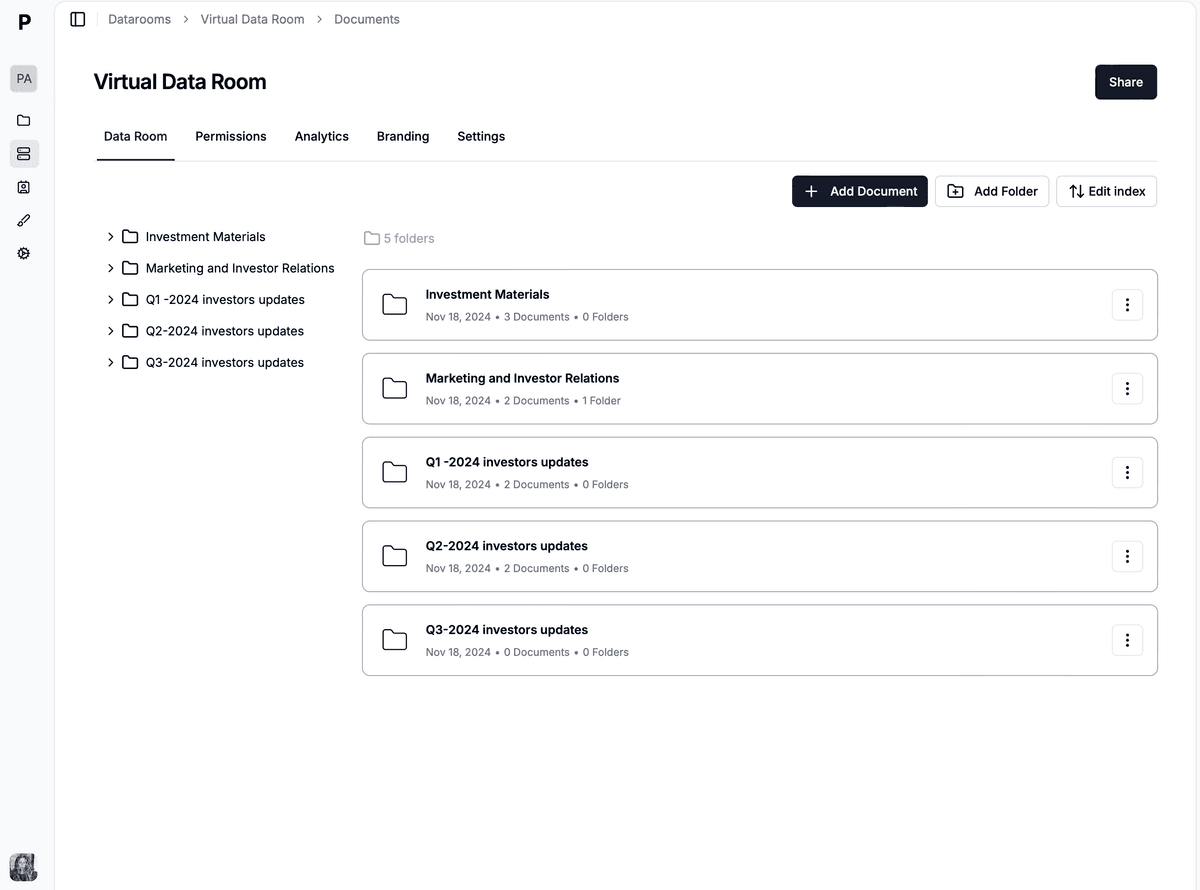
Migrating existing content and integrating with existing systems are critical implementation tasks. Thorough planning and testing ensure data integrity and system compatibility.
Develop a migration strategy that prioritizes content, ensures data integrity, and minimizes disruption. Test migration processes thoroughly before executing full migration.
Plan integrations with existing business systems like CRM, ERP, and productivity tools. Effective integration ensures the ECM platform becomes part of the organizational workflow rather than a separate system.
Building and maintaining strong relationships with stakeholders is crucial for ongoing support and successful ECM adoption. Stakeholders who feel valued and involved are more likely to champion the ECM system and help drive adoption.
Effective collaboration across departments ensures the ECM strategy addresses diverse needs. Involving departments early helps build support and ensures the ECM system serves the entire organization.
Identify and empower departmental champions who can advocate for the ECM system within their departments. Champions help drive adoption, gather feedback, and communicate benefits to their colleagues.
Maintain regular communication with stakeholders through updates, meetings, and feedback sessions. Consistent communication demonstrates commitment and keeps stakeholders engaged with the ECM initiative.
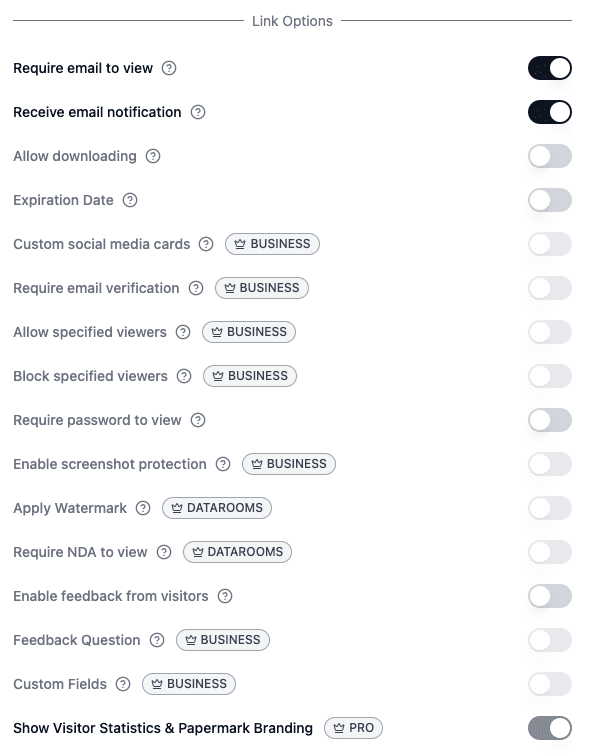
Strong executive sponsorship is essential for ECM success. Executive support provides resources, removes barriers, and signals organizational commitment to the ECM strategy.
Present a clear business case highlighting ECM benefits, ROI, and alignment with organizational goals. Executive support helps secure budget, resources, and organizational priority for the ECM initiative.
Keep executives informed about progress, challenges, and successes. Regular executive updates help maintain support and ensure the ECM initiative remains a priority.
Leveraging technology can accelerate ECM implementation and provide valuable insights. Modern ECM platforms offer advanced features like analytics, automation, and integration capabilities that enhance content management effectiveness.
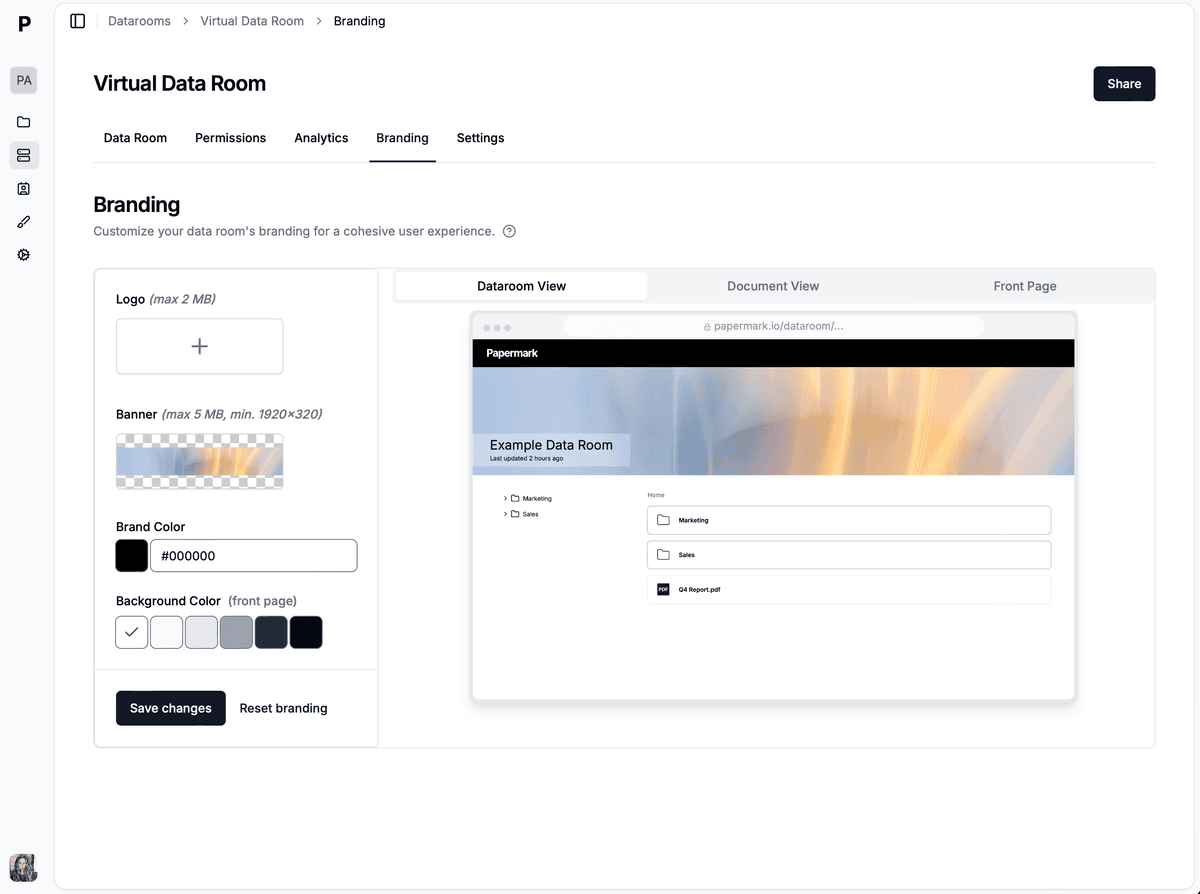
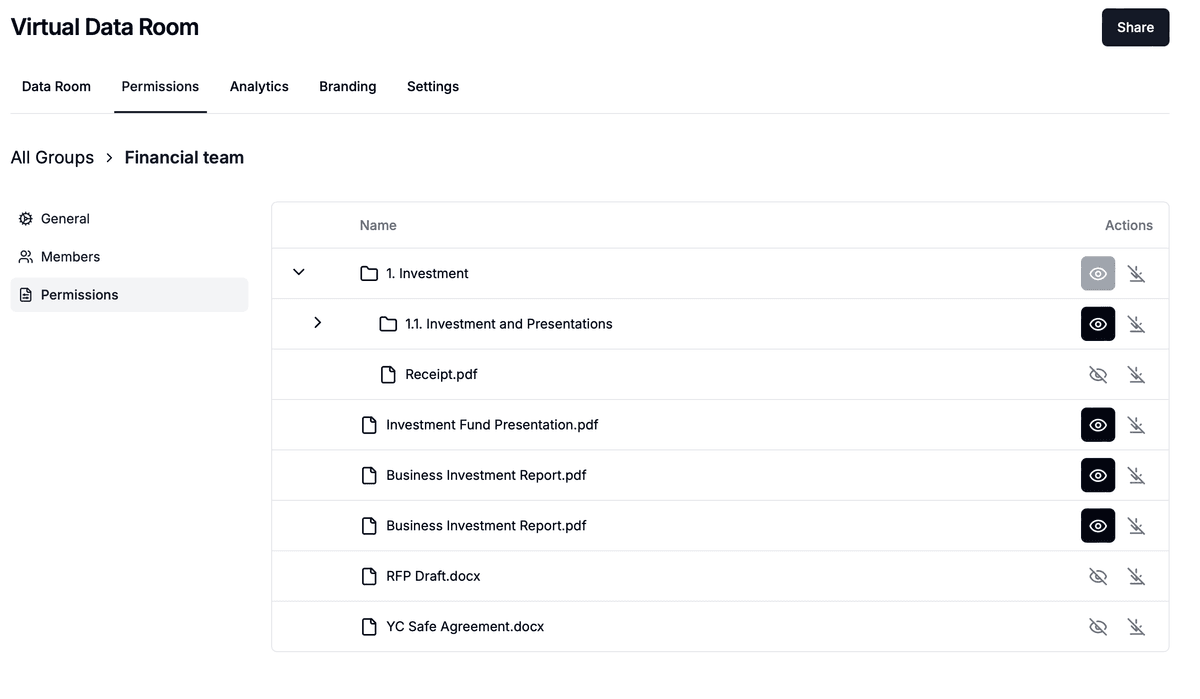
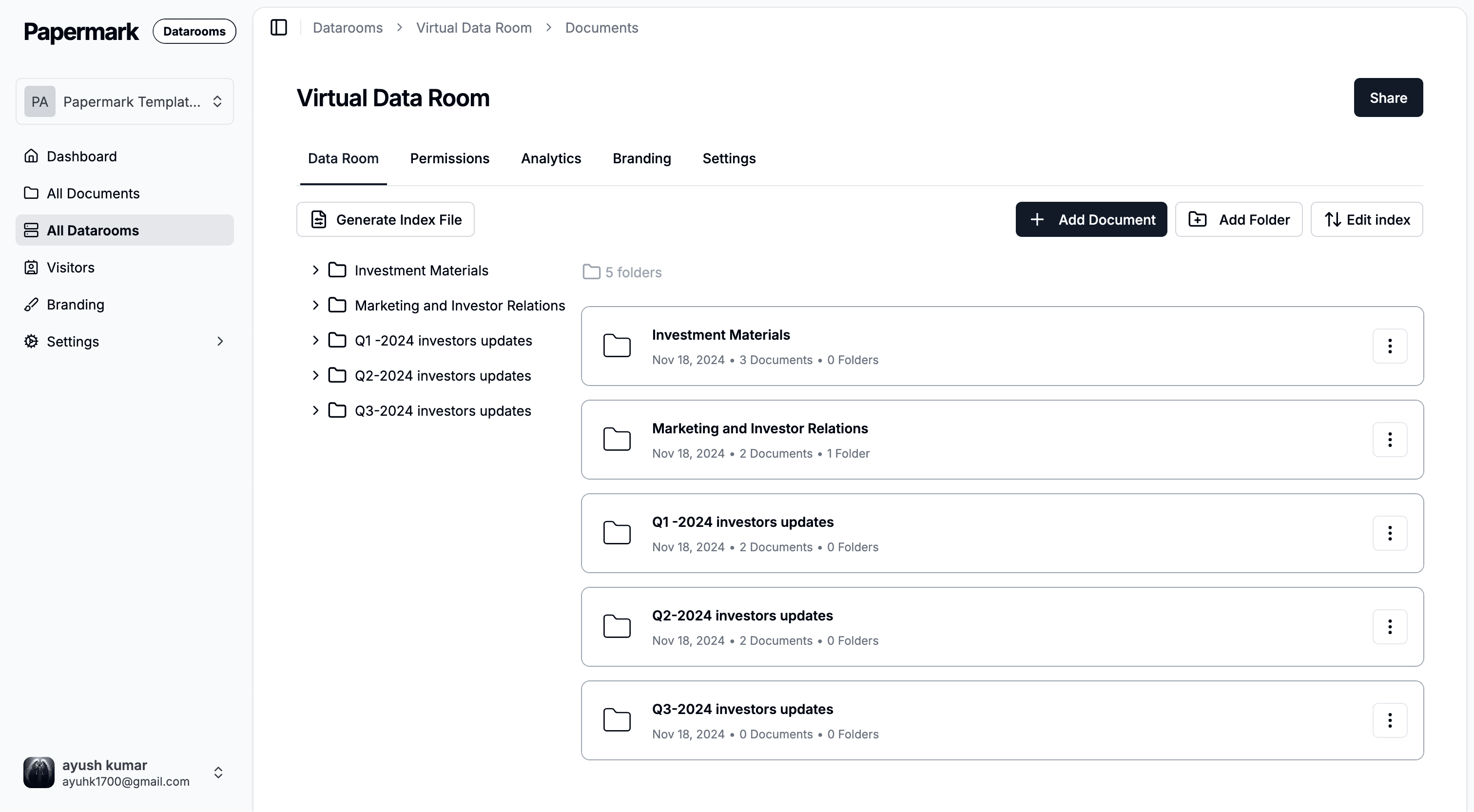
Papermark is an open-source enterprise content management platform that combines secure document sharing with powerful analytics and virtual data room capabilities. For organizations implementing an ECM strategy focused on secure external document sharing, Papermark provides essential features that enhance content management effectiveness.
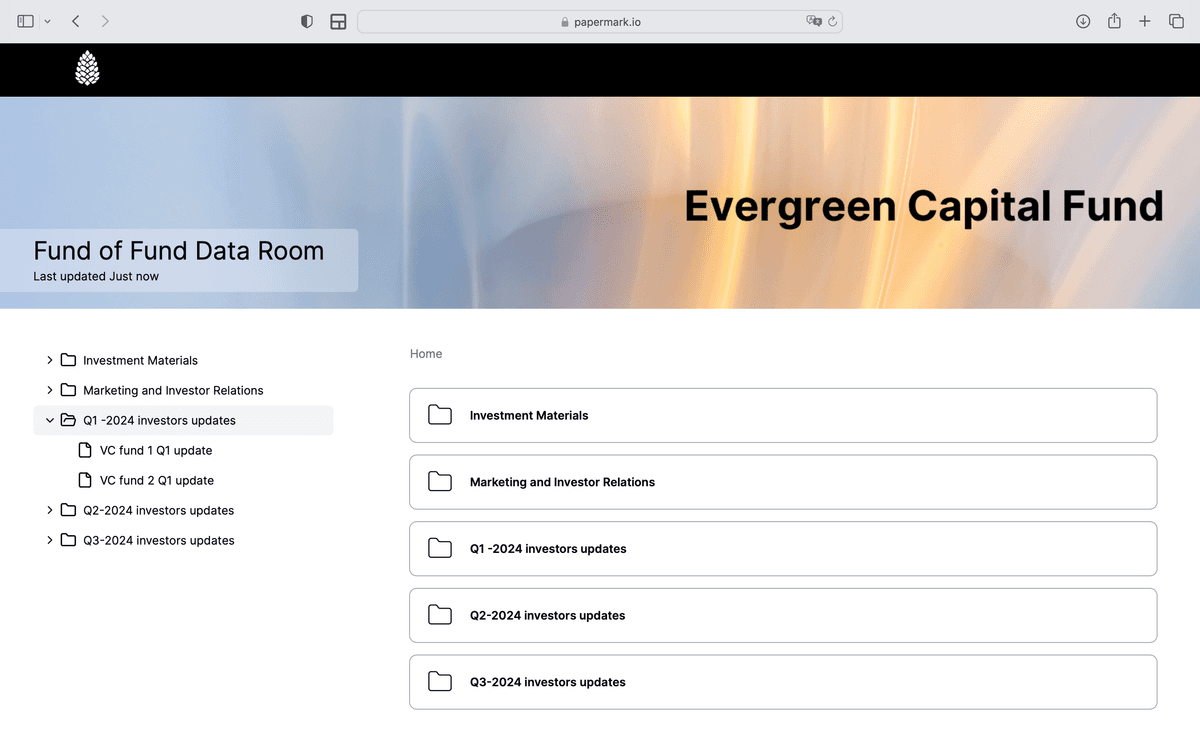
Key Papermark features for ECM strategy:

Papermark's analytics capabilities provide data-driven insights that help optimize content management and demonstrate ECM value to stakeholders. The platform tracks content views, downloads, and user engagement patterns, helping organizations identify important content, optimize organization, and make informed decisions about content retention and sharing strategies.
For organizations implementing an ECM strategy, Papermark offers both cloud-based and self-hosted deployment options, providing flexibility to match your organization's infrastructure preferences. The platform's focus on secure external document sharing with detailed analytics makes it particularly valuable for organizations in finance, legal, consulting, and other industries where document tracking and security are critical.
Effective management and optimization of the ECM system are critical after implementation. Properly monitoring performance, gathering feedback, and continuously improving the system can ensure your organization maximizes ECM value.
| Strategy Area | Key Activities | Outcomes |
|---|---|---|
| Performance Monitoring | Monitor system performance metrics (response times, uptime, storage usage, integration performance); Track user adoption through metrics (active users, feature usage, content creation) | Early identification of performance issues, understanding of adoption patterns, identification of areas needing support or training |
| Continuous Improvement | Collect feedback from users, stakeholders, and administrators through surveys, interviews, and usage data; Use feedback and analytics to optimize the ECM system (reorganize content, adjust workflows, add features, improve interfaces) | System that evolves with organizational needs, improved user satisfaction, optimized workflows based on actual usage patterns |
| Training and Support | Develop training programs for new users, advanced features, and system updates; Provide support resources (documentation, help desks, user communities) | Effective user adoption, improved efficiency, quick issue resolution, maintained productivity |
As we conclude our comprehensive guide on enterprise content management strategy, let's recap the essential learnings. Understanding different ECM strategy approaches, preparing thoroughly, executing the ECM strategy effectively, building strong stakeholder relationships, leveraging technology, and maintaining a robust post-implementation strategy are all critical for your organization's ECM success.
According to industry research, organizations with well-defined ECM strategies see significant improvements in content findability, collaboration efficiency, and compliance. A strategic approach to content management helps organizations maximize the value of their content assets and improve operational efficiency.
To sum it up:
Mastering enterprise content management strategy is a journey that requires preparation, strategic thinking, and continuous improvement. By understanding the various ECM strategy approaches, preparing thoroughly, and leveraging technology, you can increase your chances of implementing a successful ECM system that delivers value to your organization. Remember, building strong relationships with stakeholders and maintaining focus on organizational needs are key to long-term ECM success. At Papermark, we are committed to providing you with the tools and insights needed to navigate the ECM landscape effectively. For a detailed comparison of ECM platforms, check out our guide on enterprise content management software. Start your ECM journey today and take control of your content management strategy with confidence.
Comprehensive Guide to Mastering Video Content Management Strategy in 2026, from planning to post-implementation optimization
Learn what enterprise content management (ECM) is, how it works, and why organizations need it. Discover ECM components, benefits, and modern solutions for managing business documents.
Discover the best enterprise content management software for organizing, storing, and managing business documents. Compare Papermark, Microsoft SharePoint, Box, Alfresco, and OpenText for enterprise content management.