Enterprise contract workflow automation: A complete guide
·6 min read
Marc Seitz
Enterprise contract workflow automation has become essential for modern organizations managing high volumes of contracts across multiple departments and business relationships. As businesses enter into increasing numbers of contracts with vendors, clients, and partners, automating contract workflows helps ensure consistent processing, proper approvals, timely execution, and efficient contract lifecycle management.
Understanding what enterprise contract workflow automation is and how it works can help organizations make informed decisions about automating their contract processes. This comprehensive guide explores the fundamentals of contract workflow automation, its key components, benefits, and how modern organizations are leveraging automation solutions to transform their contract management practices.
What is enterprise contract workflow automation?
Enterprise contract workflow automation refers to the use of technology to streamline and automate the creation, negotiation, review, approval, execution, and management of contracts within an organization. Contract workflow automation involves designing automated sequences that move contracts through predefined steps, from initial request through legal review, business approval, signature, and ongoing monitoring.
Unlike simple contract storage or basic document management, enterprise contract workflow automation encompasses end-to-end process automation that connects contract management with business processes, approval chains, compliance requirements, and renewal tracking. Modern solutions provide automated routing, approval workflows, e-signature integration, and analytics that help organizations optimize their contract processes and ensure efficient contract management at scale.
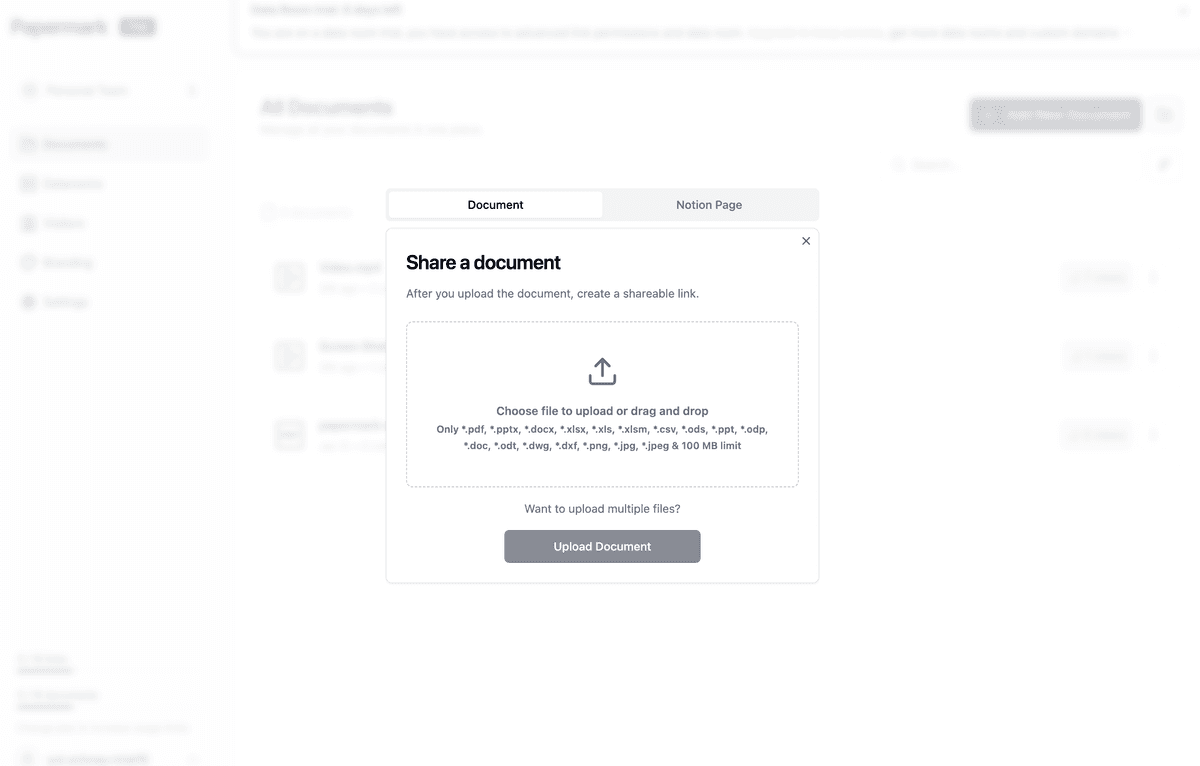
Share documents the modern way
No credit card required
Page by page analytics
Require email verification
Require password to view
Allow/Block specified viewers
Apply Watermark
Require NDA to view
Custom Welcome Message
How enterprise contract workflow automation works
Enterprise contract workflow automation transforms manual contract processes into automated sequences that move contracts through predefined steps with minimal human intervention. Understanding how contract workflow automation works helps organizations identify automation opportunities and implement effective solutions.
1. Contract creation and drafting
Contract workflow automation begins with creating contracts using standardized templates, clause libraries, and automated document generation. Organizations can configure templates for different contract types, automatically populate contract fields from integrated systems, and ensure consistency across all agreements. Automated creation reduces manual drafting time and minimizes errors in contract generation.
2. Contract review and routing
Once created, contracts are automatically routed to appropriate reviewers based on contract type, value, risk level, or business rules. Review workflows can route contracts to legal teams, business stakeholders, finance departments, or compliance officers based on predefined criteria. Automated routing ensures contracts reach the right reviewers without manual intervention, reducing processing time and ensuring proper review.
3. Approval workflows
Contract approval workflows automate the process of routing contracts through approval chains, ensuring proper authorization before contracts are executed. These workflows can handle multi-level approvals, parallel reviews, conditional routing based on contract value or risk, and automatic escalation for overdue approvals. Approval workflows are essential for organizations that need to ensure proper authorization for contracts based on financial thresholds or risk levels.
4. Negotiation and collaboration
Automated workflows facilitate contract negotiation by routing contracts to negotiators, managing negotiation cycles, and tracking changes. Collaboration features enable multiple parties to work on contracts simultaneously, with automated notifications keeping stakeholders informed about negotiation status. Workflows can automatically consolidate feedback, manage version control, and route contracts for final approval after negotiations.
5. Contract execution and signature
Contract execution workflows automate the signature process by routing contracts to signatories, sending signature requests, and tracking signature completion. Integration with e-signature platforms enables automated contract execution, eliminating the need for physical signatures and reducing contract cycle times. Automated workflows can send reminders for pending signatures and notify stakeholders when contracts are fully executed.
6. Contract monitoring and renewal
Automated workflows monitor contract performance, track key dates, and manage contract renewals. Workflows can automatically send renewal reminders, trigger renewal negotiations, and track contract expiration dates. Integration with calendar systems and notification tools ensures organizations never miss important contract milestones or renewal opportunities.
Benefits of enterprise contract workflow automation
Implementing effective contract workflow automation provides numerous benefits that help organizations improve efficiency, reduce risks, and ensure compliance. Understanding these benefits helps organizations make the business case for automation investment and set realistic expectations for what contract workflow automation can deliver.
Benefit
Description
Increased efficiency
Contract workflow automation significantly accelerates contract processing times by eliminating manual routing, approval delays, and signature bottlenecks. Automated workflows ensure contracts move forward without delays, reducing the time required to complete contract processes from weeks to days. This efficiency improvement allows legal and business teams to focus on strategic activities rather than administrative contract handling tasks.
Reduced errors
Automated contract workflows standardize processes and eliminate human errors in contract creation, routing, and approval chains. By enforcing business rules and using standardized templates, contract workflow automation ensures consistent execution and reduces the risk of mistakes. This error reduction improves contract quality and reduces the need for corrections and renegotiations.
Enhanced compliance
Automated contract workflows ensure processes follow defined business rules and regulatory requirements. Workflow systems maintain complete audit trails of all contract actions, approvals, and decisions, making it easy to demonstrate compliance during audits. This auditability helps organizations meet regulatory requirements and reduces compliance risk.
Improved collaboration
Contract workflow automation facilitates better communication and coordination among legal, business, and finance teams by ensuring contracts are routed to the right people at the right time. Automated notifications keep stakeholders informed about contract status, review deadlines, and required actions. This enhanced collaboration helps break down departmental silos and ensures smooth contract handoffs between teams.
Cost savings
By automating contract processes and reducing manual labor, organizations can achieve significant cost savings. Contract workflow automation minimizes legal review time, reduces contract cycle times, and decreases the need for additional staff to handle contract processing. The efficiency gains from automation also reduce operational costs associated with slow or inefficient contract processes.
Better risk management
Contract workflow automation provides enhanced risk management through automated risk assessment, approval routing based on risk levels, and tracking of contract obligations. Workflows can automatically flag high-risk contracts for additional review, ensure proper approvals for high-value agreements, and track compliance with contract terms. This risk management improvement is particularly important for organizations handling complex or high-value contracts.
Key features of contract workflow automation platforms
Contract workflow automation platforms provide various features that enable organizations to automate their contract processes effectively. Understanding these key features helps organizations evaluate solutions and identify the capabilities most important for their needs.
1. Contract template management
Template management features enable organizations to create, store, and manage standardized contract templates for different contract types. Templates can include pre-approved clauses, automatic field population, and conditional logic that adapts contracts based on specific criteria. This feature ensures consistency across contracts and reduces drafting time.
2. Automated approval routing
Automated routing ensures contracts are sent to the right reviewers and approvers based on predefined rules, contract type, value, or risk level. Routing rules can consider factors like contract value, department, contract type, or risk assessment to ensure efficient contract distribution. This feature eliminates manual routing and reduces processing delays.
3. E-signature integration
E-signature integration enables organizations to collect signatures electronically, eliminating the need for physical signatures and reducing contract cycle times. Integration with e-signature platforms allows automated signature requests, tracking of signature status, and automatic contract execution upon completion. This feature is essential for modern contract workflow automation.
4. Contract repository and search
Contract repository features provide centralized storage for all contracts with advanced search and retrieval capabilities. Organizations can search contracts by type, party, date, value, or keywords, making it easy to find relevant contracts. Version control ensures organizations always access the most current contract versions.
5. Analytics and reporting
Analytics features provide insights into contract processing times, approval bottlenecks, and contract portfolio performance. Reporting capabilities generate metrics on contract volumes, cycle times, renewal rates, and workflow efficiency. These insights help organizations identify optimization opportunities and demonstrate the value of automation investments.
Common use cases for contract workflow automation
Contract workflow automation can be applied to various contract processes across different departments and contract types. Understanding common use cases helps organizations identify opportunities for automation in their own operations.
1. Vendor and supplier contracts
Vendor contract workflows automate the process of creating, reviewing, and executing contracts with suppliers and vendors. Automated workflows can route contracts based on value, route to procurement and legal teams, manage approval chains, and track contract execution. This automation reduces processing times and ensures proper authorization for vendor agreements.
2. Customer and sales contracts
Sales contract workflows automate the process of creating customer agreements, routing for approval, and executing contracts. Automated workflows can generate contracts from CRM data, route based on deal value or risk, manage approval chains, and integrate with e-signature platforms. This automation accelerates sales cycles and ensures consistent contract terms.
3. Employment and HR contracts
HR contract workflows automate the process of creating employment agreements, offer letters, and contractor agreements. Automated workflows can generate contracts from HR systems, route for approval, manage signature collection, and track contract execution. This automation streamlines onboarding processes and ensures compliance with employment regulations.
4. Non-disclosure agreements (NDAs)
NDA workflows automate the creation, routing, and execution of non-disclosure agreements with partners, vendors, or contractors. Automated workflows can generate NDAs from templates, route for approval, collect signatures, and track NDA status. This automation ensures NDAs are executed quickly and consistently across all business relationships.
5. Contract renewals and amendments
Renewal workflows automate the process of tracking contract expiration dates, initiating renewal negotiations, and executing contract amendments. Automated workflows can send renewal reminders, route renewal contracts for approval, and track amendment execution. This automation ensures organizations never miss renewal opportunities and maintain active contracts.
For organizations automating contract sharing and tracking workflows, platforms like Papermark provide specialized capabilities for secure contract distribution and engagement tracking. To learn more about contract workflow automation platforms, see our guide on enterprise content management software.
Automating contract workflows with Papermark
Papermark provides contract workflow automation capabilities specifically designed for external contract sharing and engagement tracking, enabling organizations to automate contract distribution, access management, and engagement workflows. For businesses that need to streamline contract sharing with clients, vendors, or partners, Papermark offers automated features that reduce manual work and improve process efficiency.
Papermark automates contract workflow processes through intelligent notifications, engagement tracking, and automated access management. When contracts are shared, the platform automatically sends notifications to recipients and tracks when contracts are accessed. This automation eliminates the need for manual follow-up and provides real-time visibility into contract engagement, enabling organizations to automate follow-up communications based on contract viewing activity.
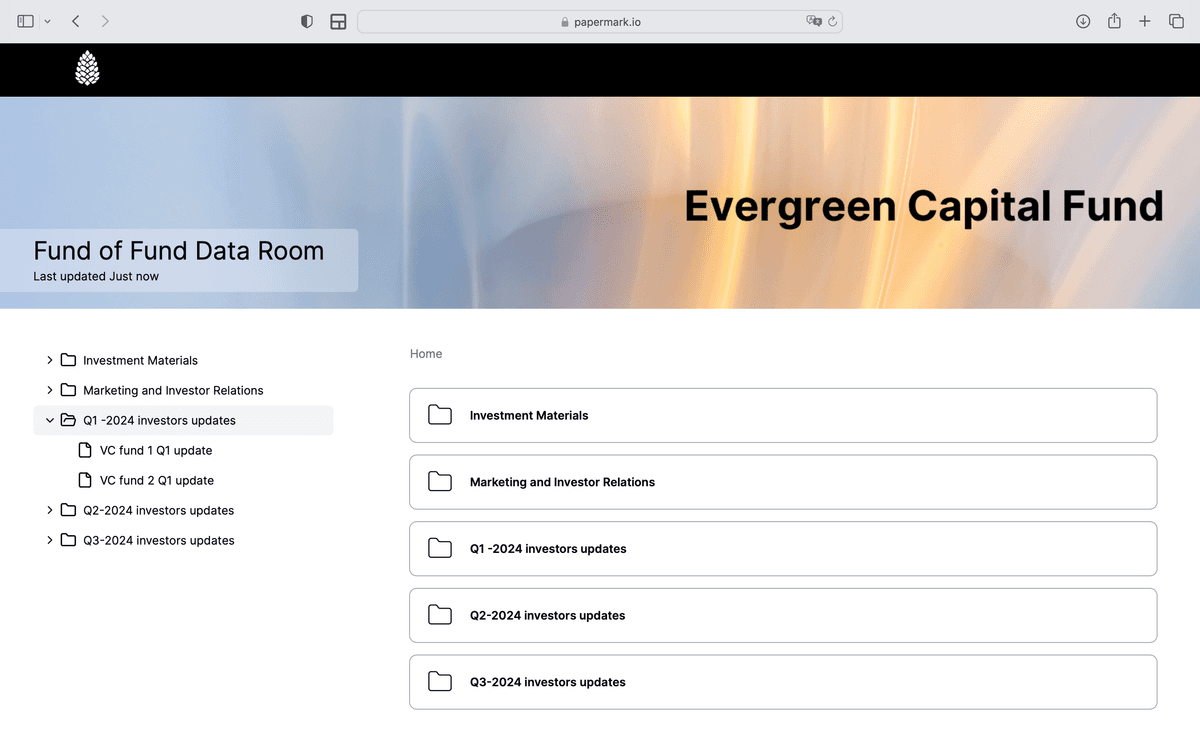
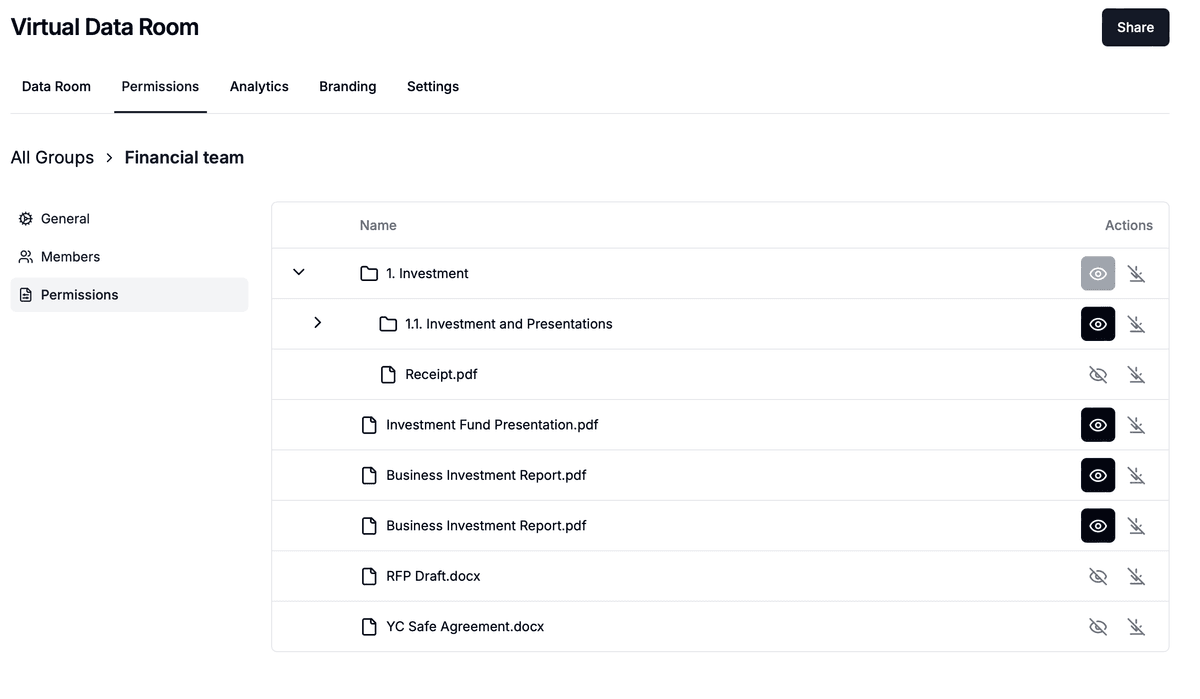
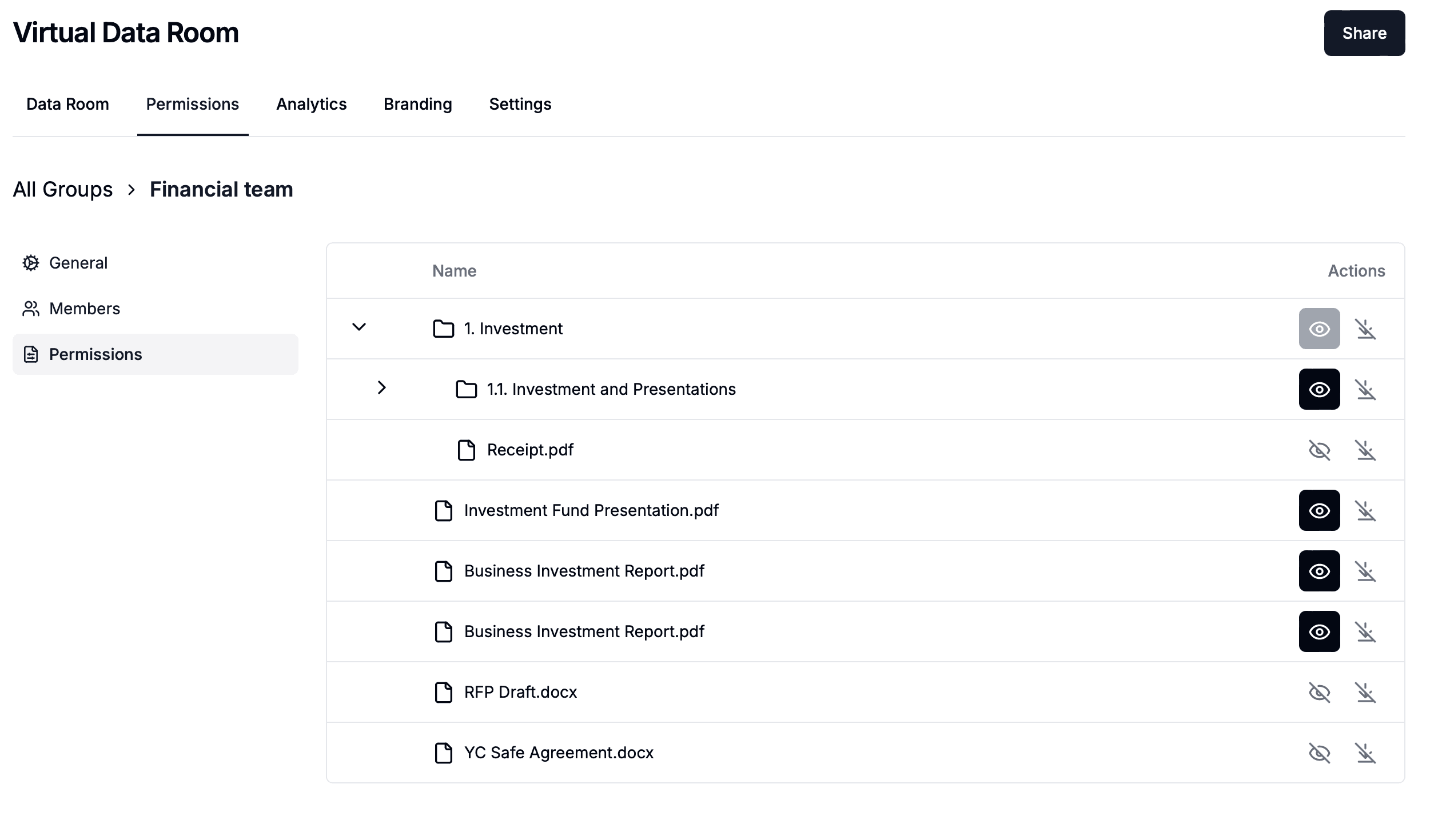
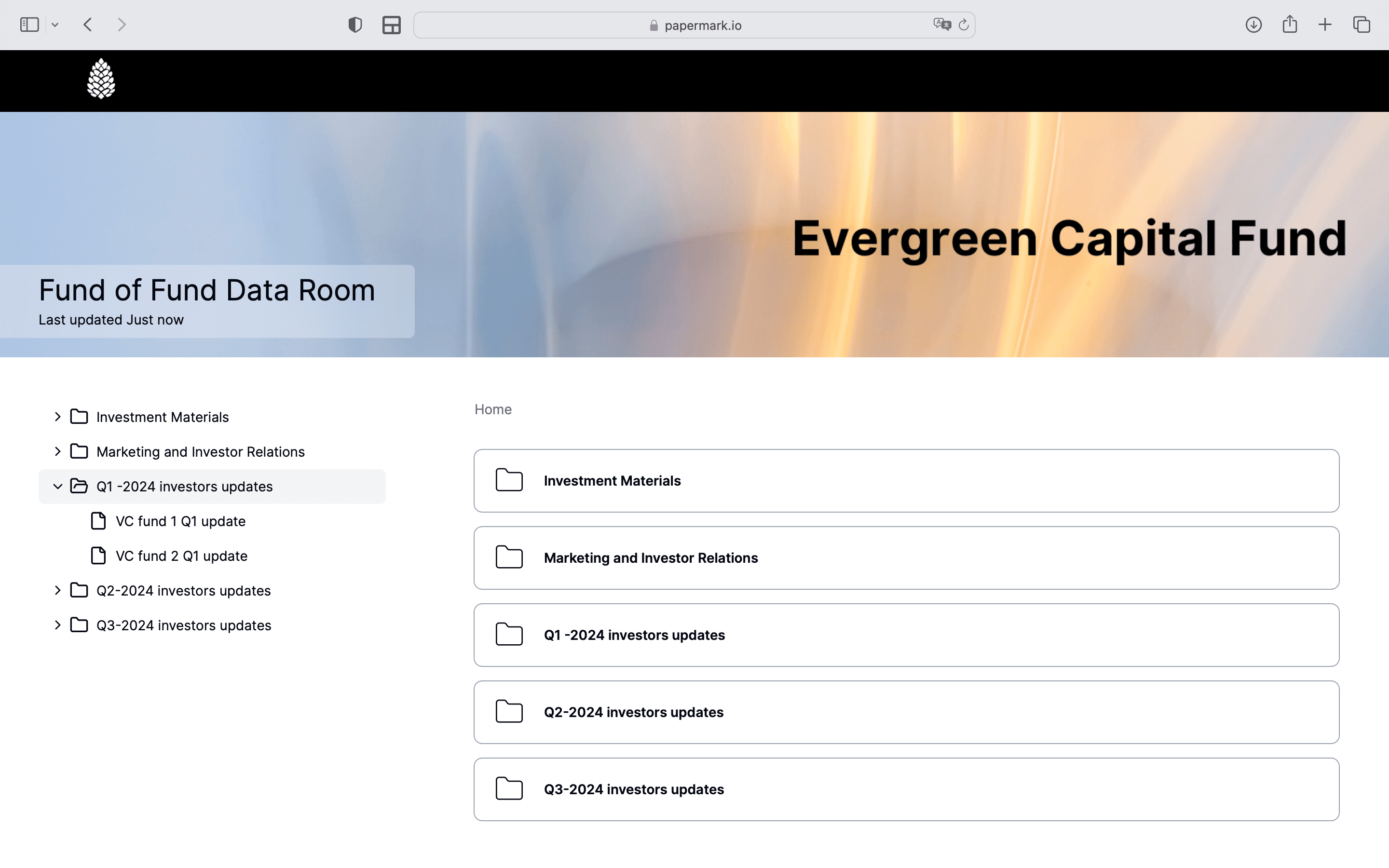
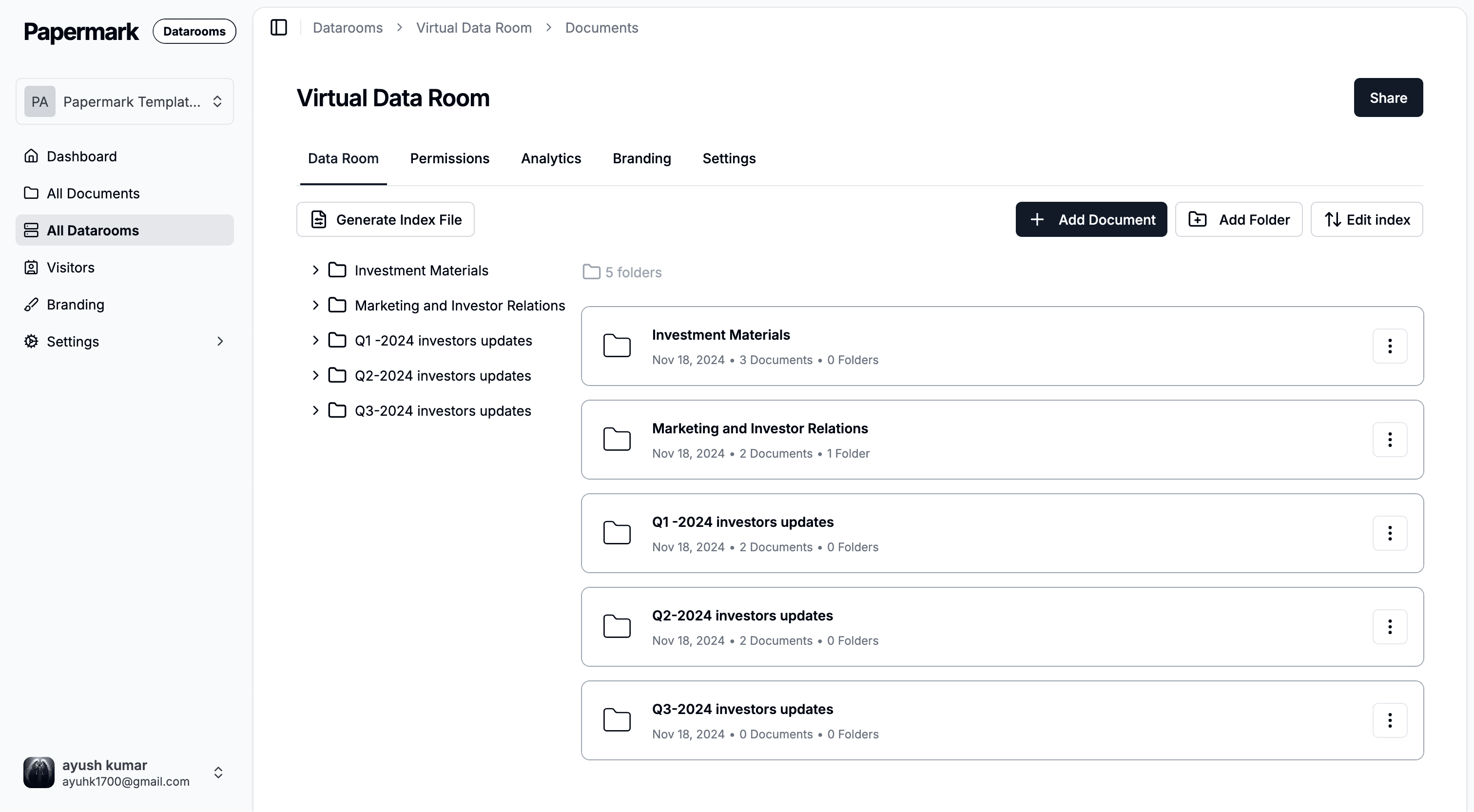
The platform's automated access controls allow organizations to configure contract sharing rules that automatically enforce security policies. Email verification, allowlists, denylists, and access expiration dates can be set up automatically based on workflow requirements. Papermark's virtual data room feature automates contract organization and distribution, making it simple to manage complex contract workflows during negotiations, due diligence, M&A transactions, and other business processes.
Papermark's API enables organizations to integrate contract workflows with existing automation platforms, creating end-to-end automated processes. The platform's detailed page-by-page analytics can trigger automated actions based on contract engagement patterns, allowing organizations to automate follow-up communications, update CRM systems, or initiate next steps in contract processes based on viewing activity.
For organizations implementing external contract workflow automation, Papermark offers both cloud-based and self-hosted deployment options, providing flexibility to match infrastructure preferences. The platform's focus on automating contract sharing and tracking makes it particularly valuable for organizations in legal, finance, consulting, and other industries where external contract workflows are central to business operations.
Conclusion
Enterprise contract workflow automation transforms how organizations manage contracts by automating routine tasks, routing contracts efficiently, and ensuring consistent process execution. By implementing contract workflow automation, organizations can reduce manual work, minimize errors, improve collaboration, and ensure compliance with regulatory requirements.
The key to successful contract workflow automation lies in understanding your contract processes, identifying automation opportunities, and selecting the right platform for your needs. Whether automating simple approval workflows or complex contract negotiation scenarios, contract workflow automation delivers measurable improvements in efficiency, accuracy, and compliance.
For organizations managing external contract sharing workflows, platforms like Papermark provide specialized automation capabilities that streamline contract distribution, tracking, and engagement processes. As contract workflow automation continues to evolve with AI and intelligent automation capabilities, organizations that invest in automation today position themselves for greater efficiency and competitive advantage in the future.