

datarooms
Dropbox Data Room: Quick overview
Using Dropbox as a data room in 2026: what it can and cannot do for M&A and fundraising, and how Papermark compares as a purpose-built VDR alternative.
Google Drive is a consumer and business cloud storage platform used by millions of teams for file sharing and internal collaboration. For M&A, fundraising, or regulated due diligence, Google Drive has meaningful gaps versus purpose-built virtual data rooms: no dynamic watermarking, no page-by-page analytics, no NDA enforcement, limited audit trail, and no structured Q&A module. This guide compares Google Drive as a data room alternative to Papermark's purpose-built VDR at €99/month flat.
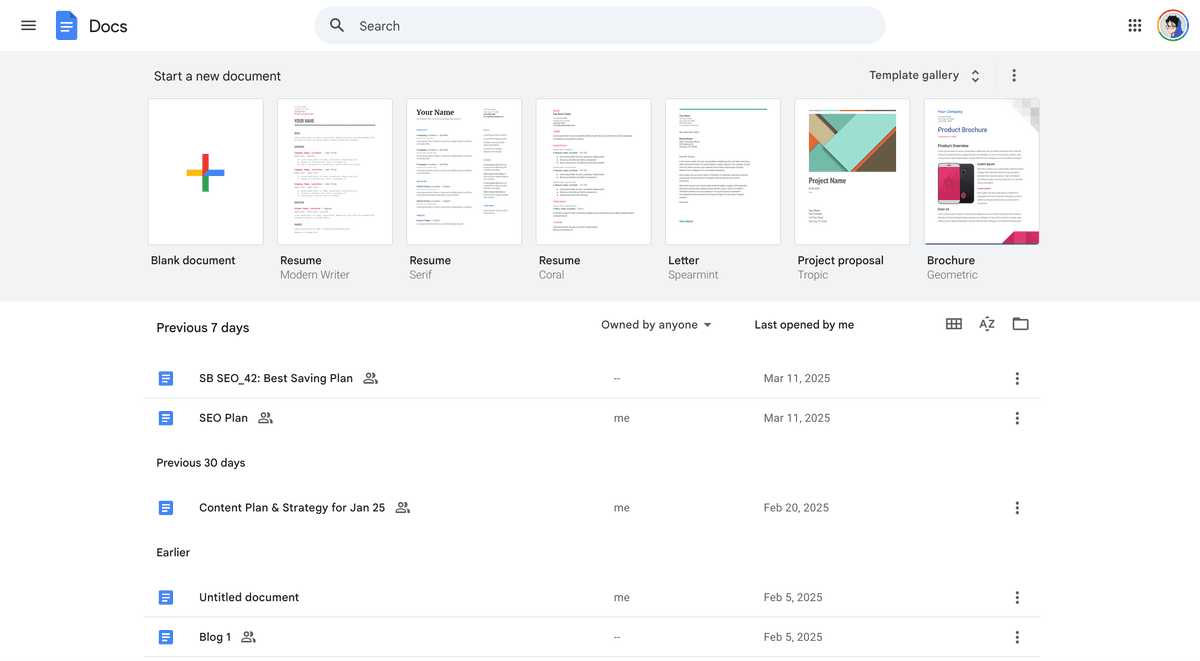
Google Drive is a cloud storage and collaboration platform from Google Workspace, commonly used to share files and folders with internal teams and occasional external collaborators. It is not a purpose-built virtual data room; it is a general cloud storage tool that some teams use for light document-sharing workflows.
Google Drive excels at internal team collaboration: real-time co-editing in Docs, Sheets, and Slides; 1 TB to 10+ TB storage tiers; and deep integration with Gmail, Calendar, and Meet. What it does not offer is the deal-grade feature set (dynamic watermarking, NDA enforcement, per-bidder scoped permissions, page-by-page analytics, Q&A module) required for competitive M&A or institutional fundraising.
Document organization and management. Hierarchical folders, bulk upload, basic version control, and shared drives for team-level collaboration. Familiar interface for users already in the Google Workspace ecosystem.
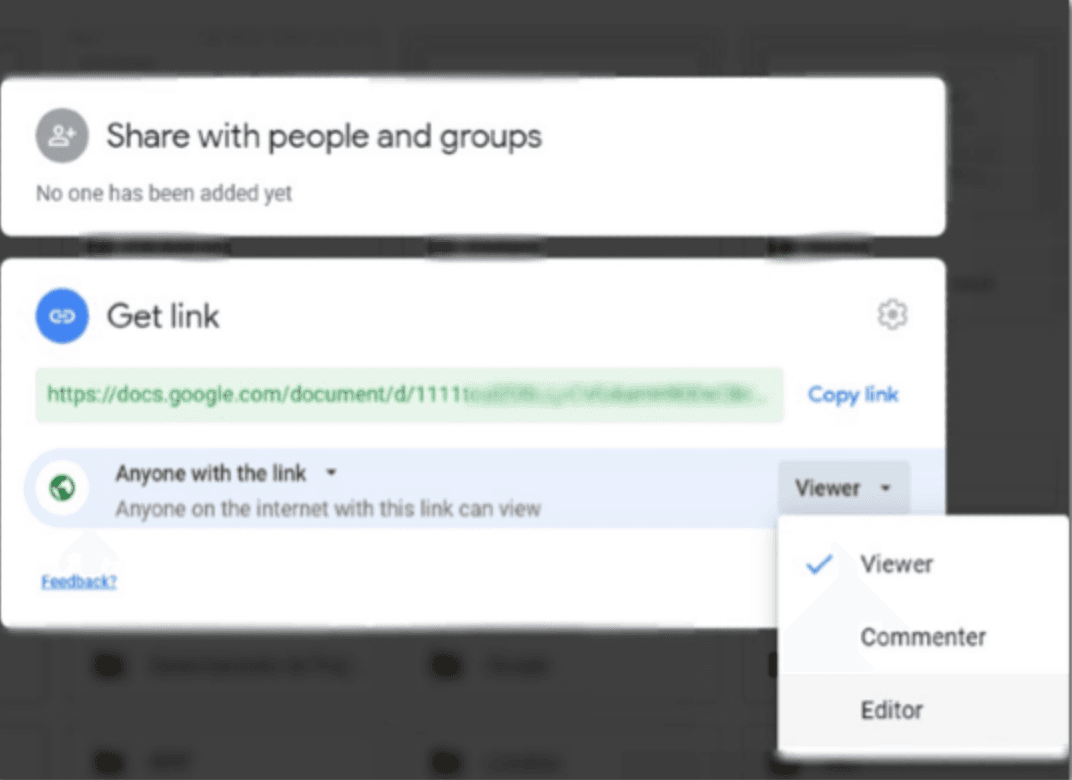
Security and access control. Basic permission levels (Viewer, Commenter, Editor), two-factor authentication via Google Account, link-sharing with optional restrictions, and limited activity tracking.
Activity tracking. Google Drive logs file-open events and provides basic sharing statistics. It does not provide page-by-page dwell time, per-session viewer identification, or structured audit export.
Deal Name / 1. Corporate / 2. Financial / 3. Legal, etc.).Google Drive pricing runs across personal and Workspace tiers:
Google Drive has ten specific gaps versus a purpose-built VDR. Every one matters in competitive deal workflows.
No dynamic watermarking. Google Drive does not apply per-session viewer watermarks to shared documents. Leaked files cannot be traced back to the viewer and session that leaked them.
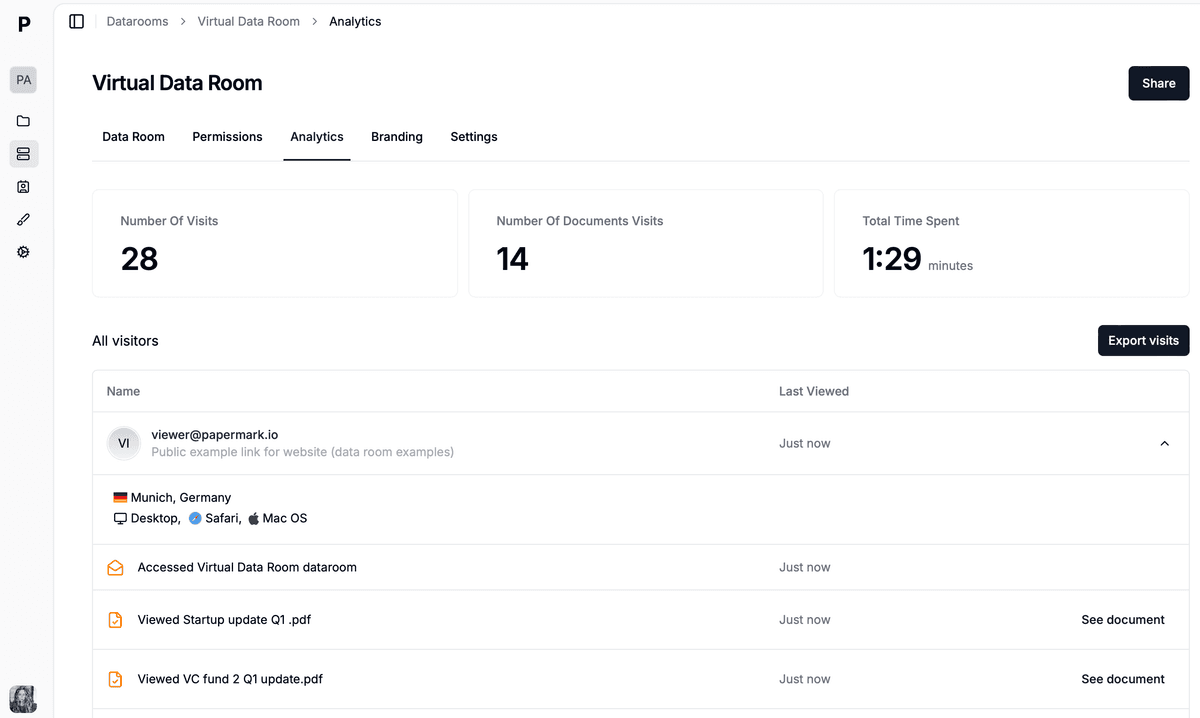
No page-by-page analytics. Google Drive logs file-open events but not per-page dwell time. For founders reading investor intent during a fundraise, this is the single biggest functional gap.
No NDA gating. Google Drive does not require NDA acceptance before viewers see documents. For licensing, biotech, and fundraising workflows, this is disqualifying.
Weak audit trail. The Google Drive activity log is lightweight compared to what a VDR produces. No exportable, tamper-proof, per-viewer audit chain.
No Q&A module. Comments on documents are not the same as a structured Q&A workflow with per-bidder scoping, threaded questions, and Q&A export for the deal record.
Forced account creation (some paths). Google Drive often requires viewers to log in with a Google account. External counsel and LP investors who do not have Google accounts encounter friction.
No custom branding or domain. Files served from Google Drive show as Google URLs. No custom domain (vdr.yourcompany.com) or white-label option.
Limited permission granularity. Google Drive has three permission levels (Viewer, Commenter, Editor). Purpose-built VDRs offer 5-10 permission roles with folder- and file-level scoping per group.
No download or print blocking. If a viewer has Viewer access, they can download or print, regardless of how sensitive the document is. Purpose-built VDRs apply download/print restrictions per link or per folder.
No self-hosting option. Google Drive is cloud-only. Regulated workloads that require on-prem or private-cloud deployment cannot use it.
Google Drive works for narrow use cases: internal-team document sharing, pre-seed founders sharing a pitch deck with 3-5 angels who all have Google accounts, and casual collaboration on non-sensitive project files. It does not work for:
An external CFO running due diligence through Google Drive described the fundamental problem in one line during onboarding: "anything can be downloaded." That is exactly the gap Papermark and other purpose-built VDRs close.
Papermark is purpose-built for deal workflows rather than repurposed cloud storage. At €99/month flat for the Data Rooms plan, it ships:
| Feature | Google Drive | Papermark |
|---|---|---|
| Pricing model | Per-user / per-storage | Flat-rate €99/month |
| Included external viewers | Limited / per-plan | Unlimited |
| Dynamic watermarking | ❌ | ✔️ (per-session) |
| Page-by-page analytics | ❌ | ✔️ |
| NDA enforcement gate | ❌ | ✔️ |
| Q&A module | ❌ (comments only) | ✔️ (structured, per-bidder) |
| Custom domain | ❌ | ✔️ |
| Download/print blocking | ❌ | ✔️ |
| Self-hosted option | ❌ | ✔️ (AGPL open-source) |
| Forced account creation | ✔️ (many paths) | ❌ (link-based access) |
| Audit trail | Basic activity log | ✔️ Append-only, exportable |
| Best for | Internal collaboration | Deal-grade M&A, fundraising |
Using Dropbox as a data room in 2026: what it can and cannot do for M&A and fundraising, and how Papermark compares as a purpose-built VDR alternative.
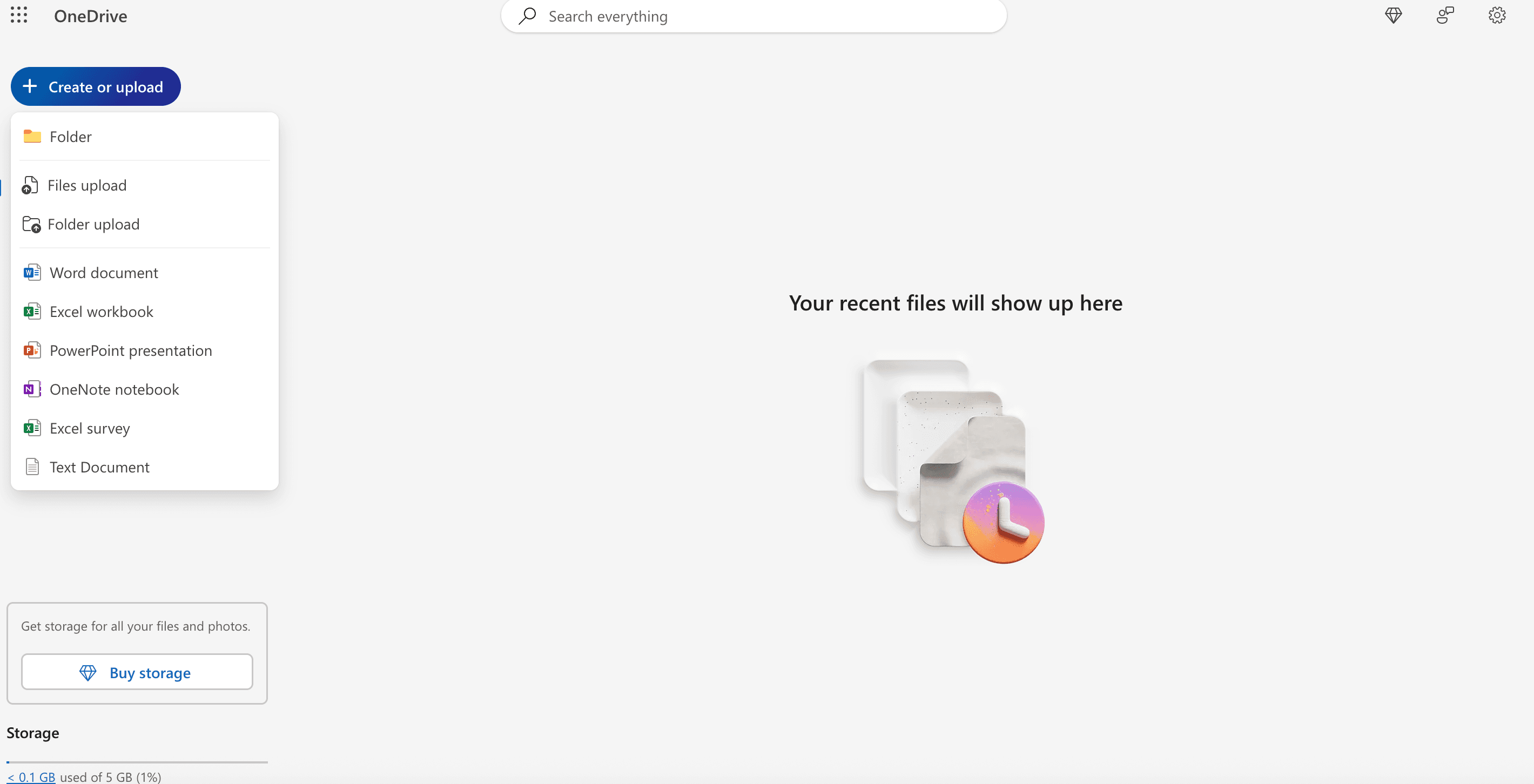
Using Microsoft OneDrive as a data room in 2026: what it can and cannot do for M&A and fundraising, and how Papermark compares as a purpose-built VDR alternative.
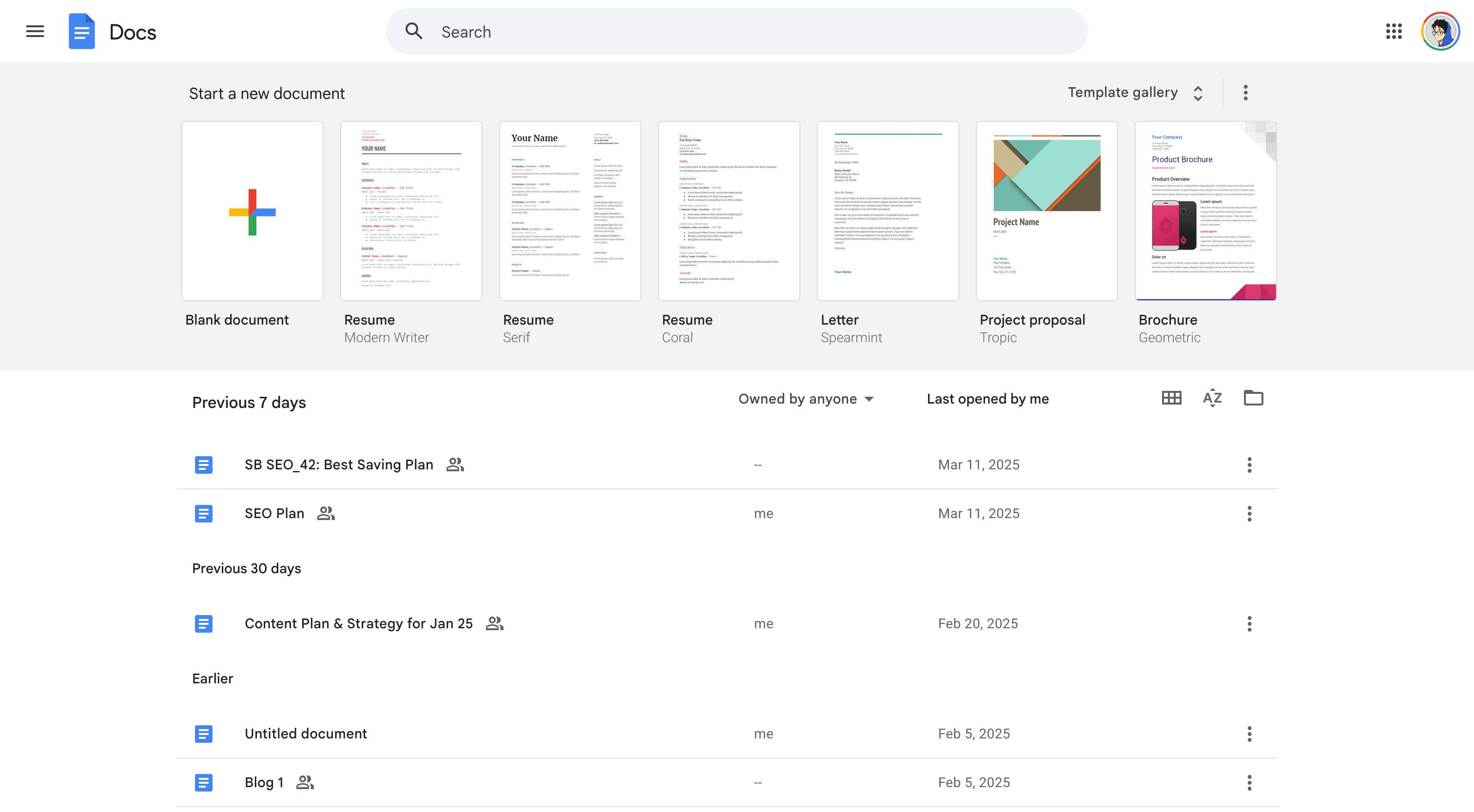
Set up a data room in Google Drive step-by-step in 2026. Covers folder setup, permissions, limitations, and when to upgrade to a purpose-built VDR.