BlogDocument SharingWhat is enterprise content management? A complete guide for 2026
What is enterprise content management? A complete guide for 2026
·6 min read
Marc Seitz
Enterprise content management has become essential for modern organizations dealing with growing volumes of digital content, documents, and information. As businesses generate increasing amounts of data across multiple systems and locations, having a structured approach to managing this content is critical for productivity, compliance, and operational efficiency.
Understanding what enterprise content management is and how it works can help organizations make informed decisions about their content management strategy. This comprehensive guide explores the fundamentals of ECM, its key components, benefits, and how modern organizations are leveraging ECM solutions to transform their content management practices.
What is enterprise content management?
Enterprise content management (ECM) refers to the strategies, methods, and tools organizations use to capture, manage, store, preserve, and deliver content and documents related to their business processes. ECM provides a unified approach to handling an organization's unstructured information, integrating document management, web content management, records management, and digital asset management into a cohesive system.
Unlike simple file storage or basic document management, enterprise content management encompasses the entire content lifecycle from creation to archival. ECM systems help organizations organize, secure, and make content accessible to authorized users while ensuring compliance with regulatory requirements and maintaining proper governance over business-critical information.
Modern ECM solutions go beyond traditional document storage by providing workflow automation, advanced search capabilities, collaboration tools, and analytics that help organizations derive value from their content assets. Whether managing internal documents, sharing content with external parties, or maintaining compliance records, ECM systems provide the infrastructure needed for effective content management at scale.
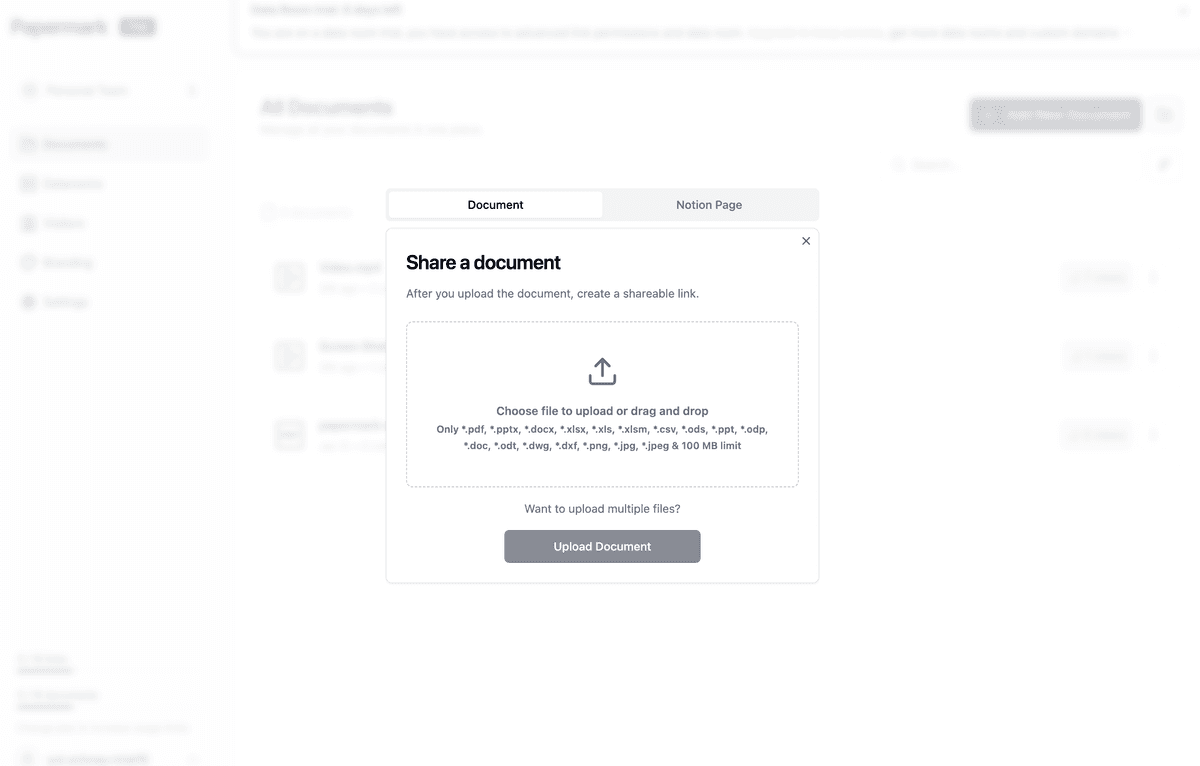
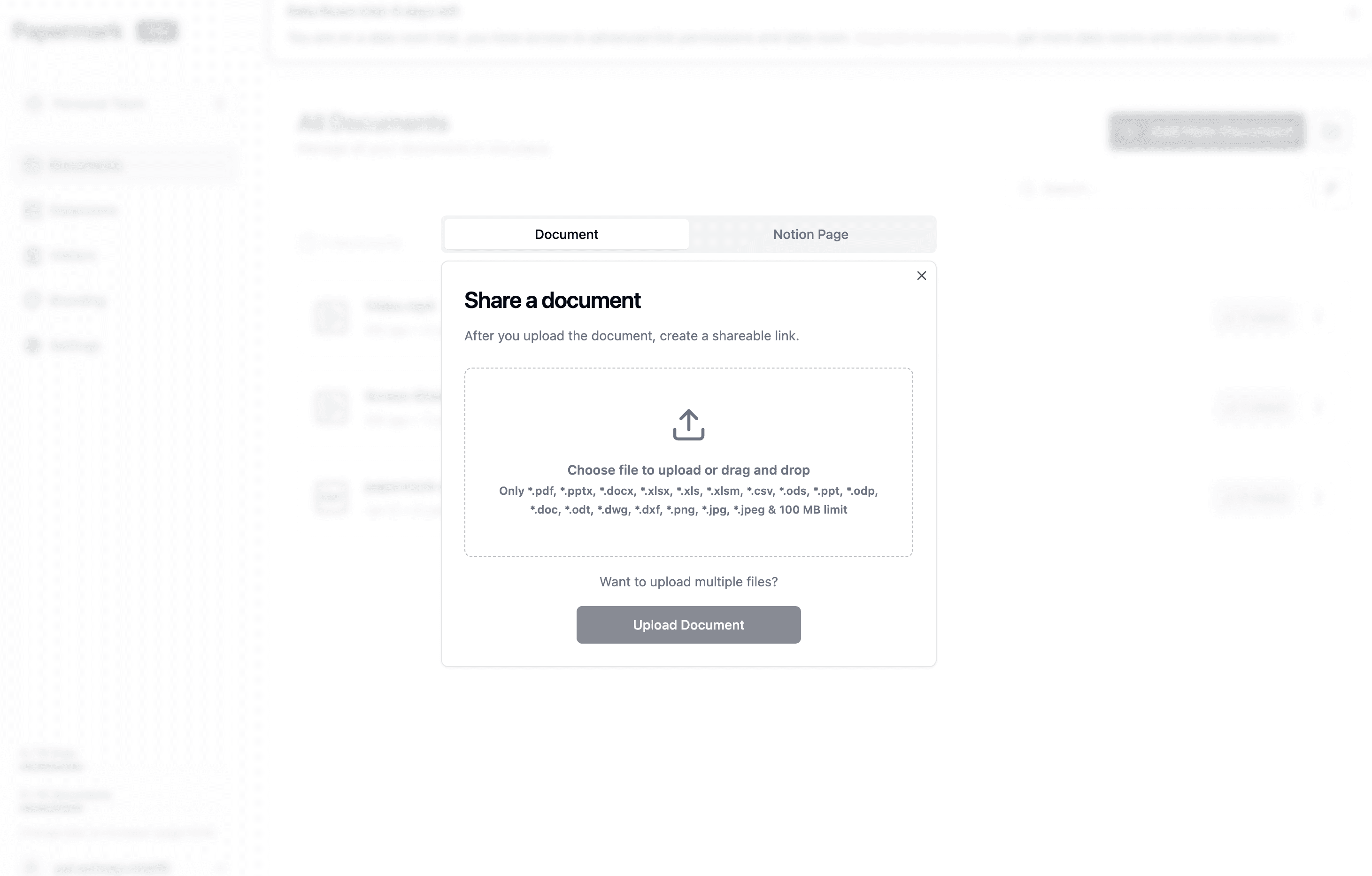
Share documents the modern way
No credit card required
Page by page analytics
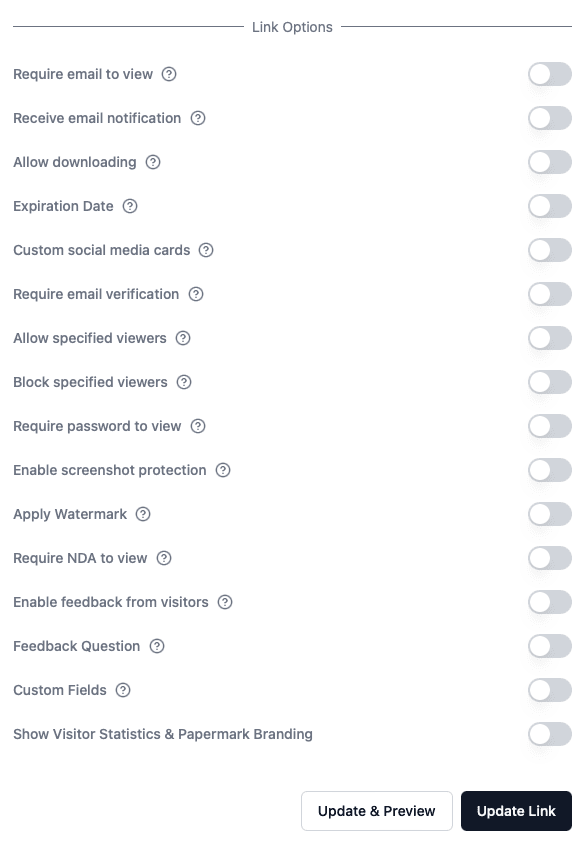
Require email verification
Require password to view
Allow/Block specified viewers
Apply Watermark
Require NDA to view
Custom Welcome Message
Key components of enterprise content management
Enterprise content management systems typically include several core components that work together to provide comprehensive content management capabilities. Understanding these components helps organizations evaluate ECM solutions and identify the features most important for their needs.
1. Document management
Document management forms the foundation of most ECM systems, providing capabilities for storing, organizing, and retrieving documents. This includes version control to track document changes, metadata management for categorization and search, and folder structures that match organizational workflows. Effective document management ensures teams can quickly find the information they need while maintaining proper organization and access controls.
2. Version control and collaboration
Version control capabilities ensure organizations always work with the most current document versions while maintaining a complete history of changes. Collaboration features enable multiple users to work on documents simultaneously, with features like co-authoring, comments, and notifications that keep teams aligned. These capabilities are essential for organizations where documents evolve through multiple revisions and require input from various stakeholders.
3. Workflow automation
Workflow automation allows organizations to automate business processes related to content management, such as approval workflows, document routing, and task assignments. This component helps reduce manual work, ensures consistent processes, and provides visibility into content-related activities. Workflow automation is particularly valuable for organizations with complex business processes that involve multiple steps and stakeholders.
4. Access controls and security
Security features are critical for enterprise content management, especially when handling sensitive or confidential information. ECM systems provide granular access controls that determine who can view, edit, or delete content. Advanced security features may include encryption, audit trails, watermarking, and integration with identity management systems. These controls ensure content remains secure while remaining accessible to authorized users.
5. Search and discovery
Powerful search capabilities help users quickly locate content across the entire ECM system. Modern ECM platforms offer full-text search, metadata search, and faceted search that allows users to filter results by various criteria. Advanced search features may include AI-powered content insights, content recommendations, and intelligent categorization that helps users discover relevant information even when they're not sure exactly what they're looking for.
6. Analytics and reporting
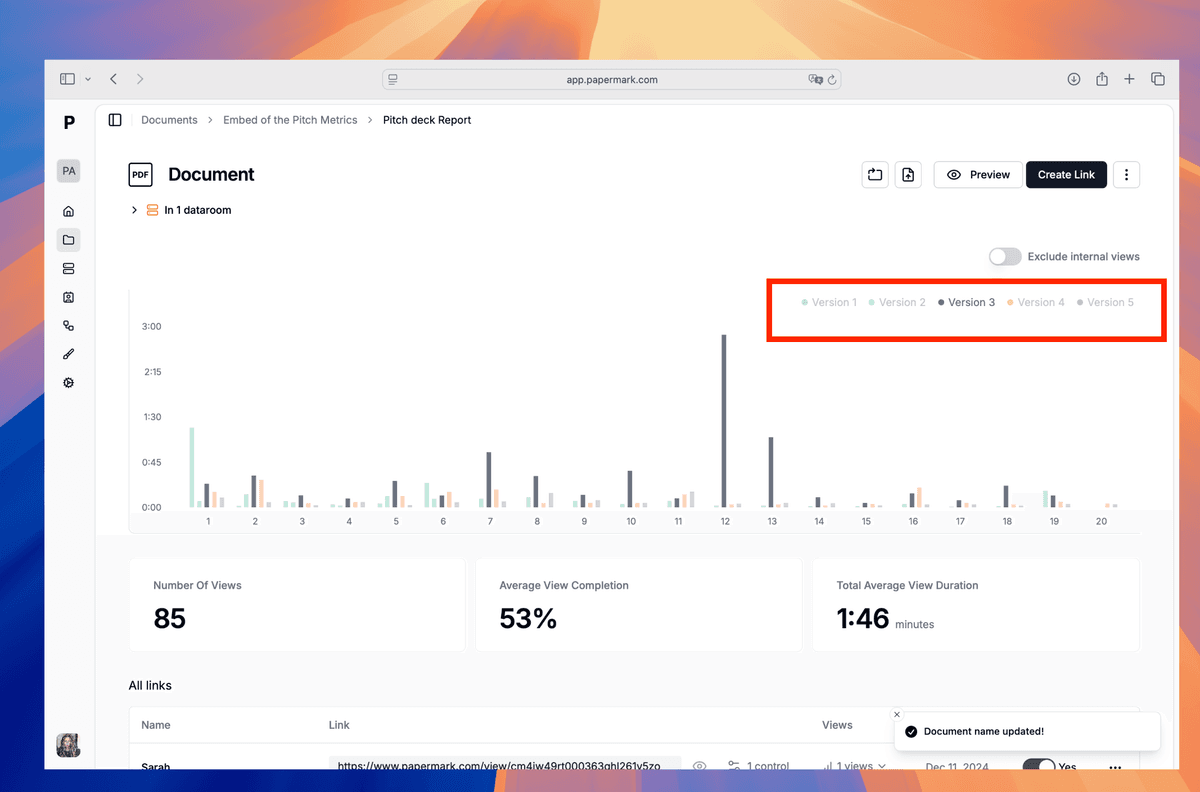
Analytics capabilities provide insights into how content is being used, who is accessing documents, and which content is most valuable to the organization. For organizations sharing documents externally, analytics can track who viewed documents, when they accessed them, and how long they spent on each page. These insights help organizations optimize their content management practices and demonstrate the value of their ECM investment.
7. Records management and compliance
Records management features help organizations comply with regulatory requirements by managing document retention, legal holds, and archival processes. Compliance capabilities ensure organizations can demonstrate proper handling of content when required by regulations or legal proceedings. These features are essential for organizations in regulated industries or those with strict compliance requirements.
Benefits of enterprise content management
Implementing an effective ECM system provides numerous benefits that help organizations improve productivity, reduce costs, and ensure compliance. Understanding these benefits helps organizations make the business case for ECM investment and set realistic expectations for what ECM can deliver.
Benefit
Description
Enhanced productivity
ECM systems significantly improve productivity by reducing the time employees spend searching for information. With organized content repositories and powerful search capabilities, teams can quickly locate the documents they need. Workflow automation eliminates manual tasks and reduces the time required for content-related processes, allowing employees to focus on strategic activities rather than administrative tasks.
Improved collaboration
Modern ECM platforms facilitate collaboration by providing tools for co-authoring, commenting, and sharing content securely. Teams can work together on documents regardless of their physical location, supporting remote work and distributed teams. Collaboration features help break down information silos and ensure all team members have access to the content they need to do their jobs effectively.
Better compliance and risk management
ECM solutions help organizations adhere to regulatory requirements by providing tools for records management, audit trails, and secure access controls. Compliance features ensure organizations can demonstrate proper handling of content when required by regulations or legal proceedings. These capabilities reduce compliance risk and help organizations avoid penalties associated with improper content management.
Cost reduction
By digitizing documents and reducing reliance on paper, organizations can lower storage costs and minimize expenses related to physical document handling. ECM systems help eliminate duplicate content, optimize storage usage, and reduce the need for physical storage space. The automation capabilities of ECM systems also reduce labor costs associated with manual content management tasks.
Support for remote work
With content stored digitally and accessible via secure platforms, ECM systems enable employees to access necessary documents from anywhere. This capability has become increasingly important as organizations support remote and hybrid work arrangements. Secure access controls ensure that remote access doesn't compromise content security while providing the flexibility employees need to work effectively.
Enhanced security
ECM systems provide enterprise-grade security features that protect sensitive content from unauthorized access. Granular access controls, encryption, audit trails, and watermarking capabilities help organizations maintain control over their content. For organizations sharing documents externally, features like [dynamic watermarking](https://www.papermark.com/dynamic-watermarking) and detailed analytics provide additional security and visibility.
Types of enterprise content management approaches
Organizations can implement ECM using different strategic approaches depending on their needs, infrastructure preferences, and organizational structure. Understanding these approaches helps organizations choose the right ECM strategy for their specific circumstances.
Centralized ECM: Single platform managing all organizational content across departments, providing consistent governance and unified access
Hybrid ECM: Combination of cloud-based and on-premises solutions, offering flexibility while maintaining control over sensitive content
Cloud-first ECM: Primarily cloud-based content management, leveraging scalability, automatic updates, and reduced IT overhead
Open-source ECM: Self-hosted, open-source solutions providing full control and customization capabilities, ideal for organizations wanting to avoid vendor lock-in
Secure document sharing focus: ECM strategy emphasizing external document sharing with analytics and tracking capabilities for organizations that frequently share documents with external parties
Modern ECM solutions and platforms
The ECM landscape includes various platforms designed to meet different organizational needs. From cloud-native solutions to on-premises systems, organizations have multiple options when selecting an ECM platform.
Secure document sharing platforms
Platforms like Papermark focus on secure document sharing with analytics and virtual data room capabilities. These solutions are ideal for organizations that need to share documents with clients, investors, or partners while maintaining detailed visibility into document engagement. Features like page-by-page analytics, dynamic watermarking, and granular access controls make these platforms particularly valuable for external document sharing scenarios.
Collaboration-focused ECM
Solutions like Microsoft SharePoint and Box provide comprehensive document management with strong collaboration features. These platforms integrate with productivity suites and offer real-time collaboration, making them ideal for teams that need seamless document collaboration alongside content management. These solutions are particularly popular among organizations already using Microsoft 365 or Google Workspace.
Enterprise-grade ECM systems
Large enterprises with complex content management requirements often choose enterprise-grade systems like OpenText Content Suite. These platforms provide advanced workflow automation, compliance features, and scalability for organizations managing millions of documents. Enterprise-grade ECM systems are designed for organizations with extensive compliance needs and large-scale document processing workflows.
Papermark is an open-source enterprise content management platform that combines secure document sharing with powerful analytics and virtual data room capabilities. For organizations implementing ECM focused on secure external document sharing, Papermark provides essential features that enhance content management effectiveness.
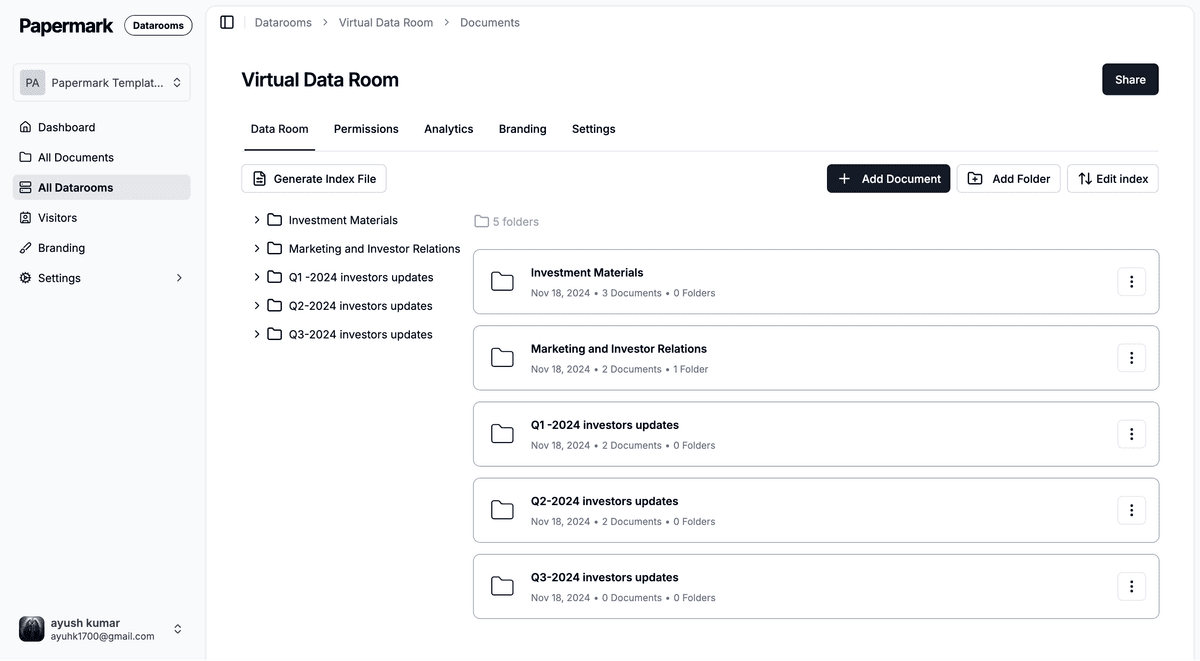
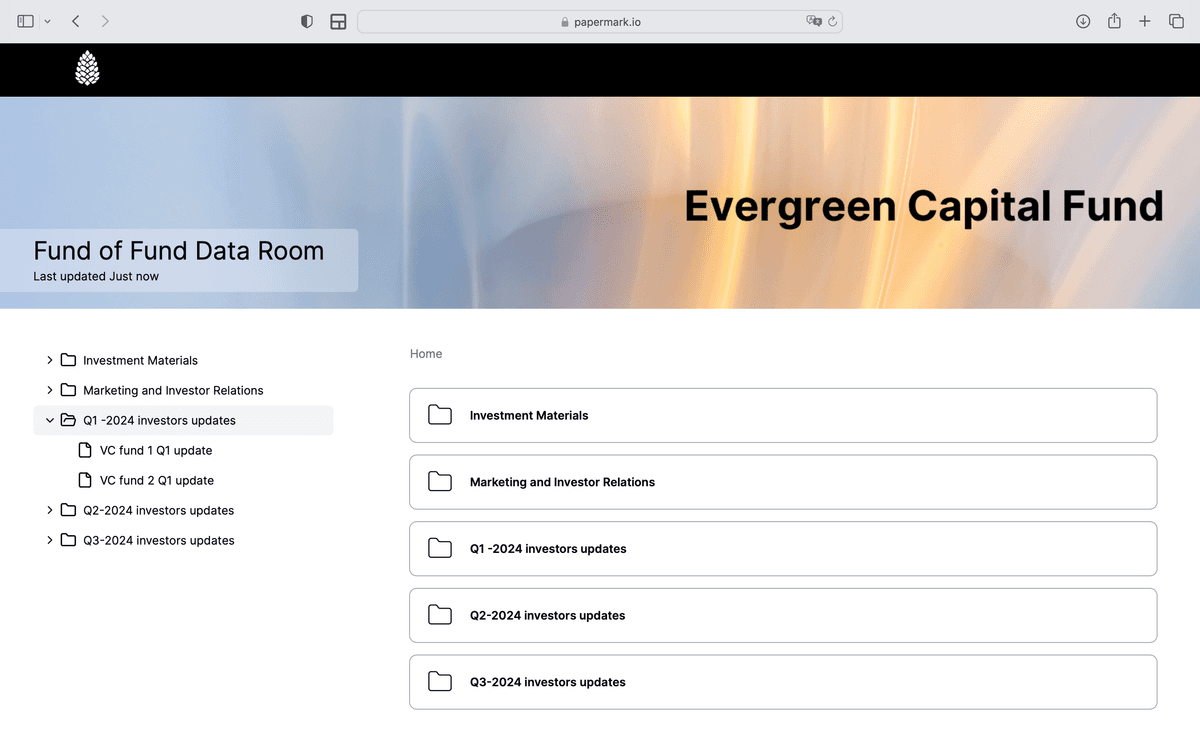
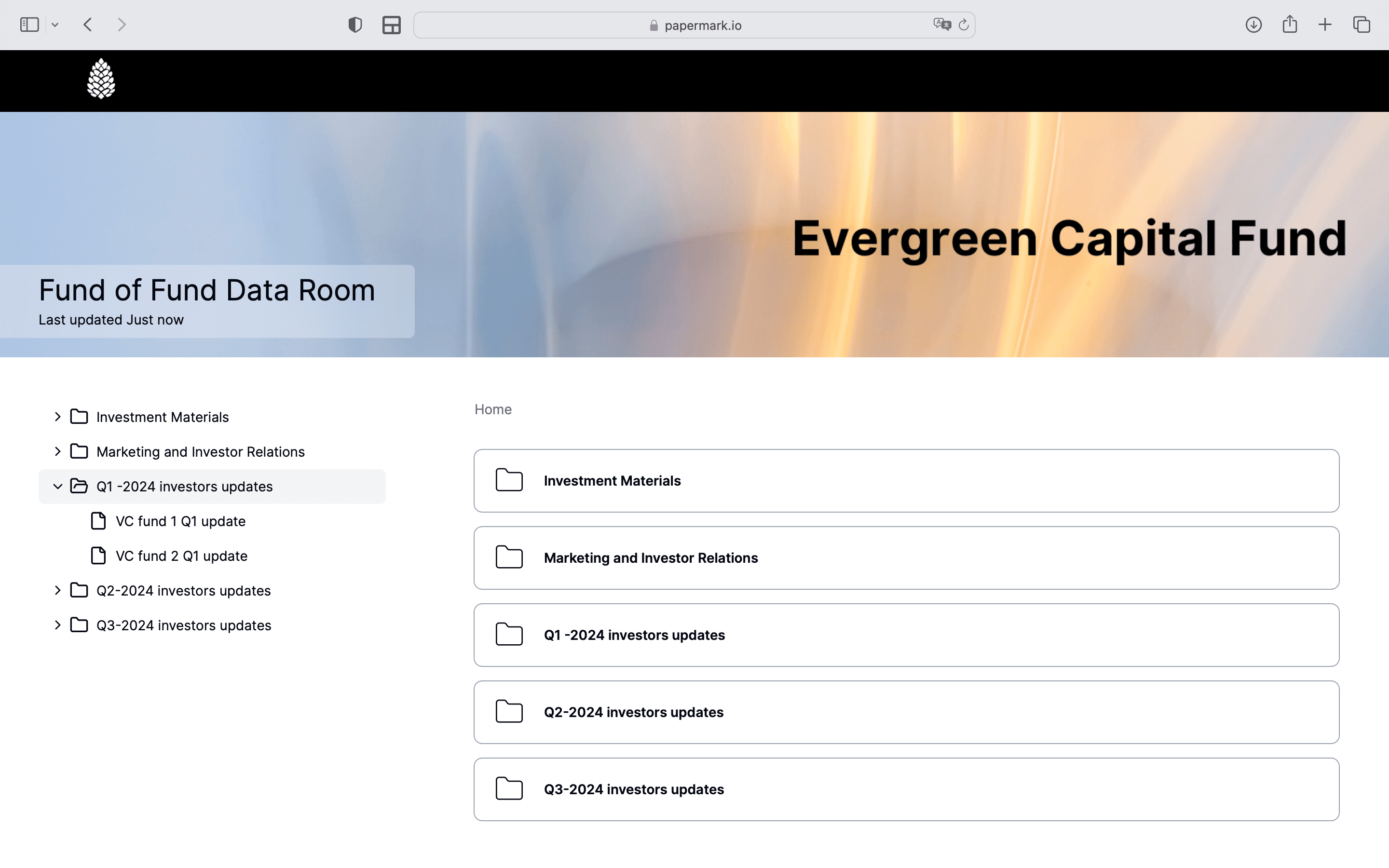
Papermark offers comprehensive ECM capabilities designed for organizations that need secure document sharing with advanced control and visibility. The platform provides unlimited document and folder organization, allowing enterprise teams to structure content in a way that matches their workflow. Papermark's virtual data room feature provides enterprise-grade secure document sharing through safe links, making it simple to organize and distribute business-critical content during due diligence, fundraising, M&A transactions, and other sensitive business processes.
The platform includes enterprise-grade access controls with email verification, allowlists, denylists, and access expiration dates. Papermark's virtual data rooms allow organizations to create secure spaces with granular permissions, ensuring only authorized parties can access sensitive documents. The platform provides detailed page-by-page analytics, making it easy for enterprises to see exactly who viewed documents, when they accessed them, and how long they spent on each page—critical for tracking engagement during important business processes.
Papermark's enterprise features include dynamic watermarking that automatically adds recipient-specific information to each document page, providing traceability and deterring unauthorized sharing. The platform includes screenshot protection and download prevention features to protect sensitive enterprise content. Papermark provides comprehensive white-labeling and branding capabilities, allowing enterprises to customize the interface with their logo, brand colors, and custom domain to maintain consistent corporate identity.
For organizations implementing ECM, Papermark offers both cloud-based and self-hosted deployment options, providing flexibility to match your organization's infrastructure preferences. The platform's focus on secure external document sharing with detailed analytics makes it particularly valuable for organizations in finance, legal, consulting, and other industries where document tracking and security are critical.
Conclusion
Enterprise content management provides organizations with the strategies, methods, and tools needed to effectively manage their content throughout its lifecycle. From document management and workflow automation to security and compliance, ECM systems help organizations organize, secure, and derive value from their content assets.
Understanding what ECM is and how it works is the first step toward implementing an effective content management strategy. Whether you choose a centralized approach, cloud-first solution, or open-source platform, the right ECM system can transform how your organization manages content.
For organizations focused on secure external document sharing, modern platforms like Papermark combine ECM capabilities with advanced analytics and security features. To learn more about implementing ECM in your organization, explore our guide on enterprise content management strategy or compare different ECM solutions in our enterprise content management software guide.