BlogFundraising22 Best Startup Accelerators Worldwide in 2026
22 Best Startup Accelerators Worldwide in 2026
·6 min read
Marc Seitz
The global startup ecosystem has evolved dramatically, with accelerators playing a pivotal role in scaling innovative companies. According to Startup Genome's Global Startup Ecosystem Report, the global startup economy is now worth over $4.8 trillion, with accelerators becoming increasingly crucial for early-stage success.
Top accelerators have been instrumental in this growth, with Y Combinator alone producing companies worth over $600B. This comprehensive guide explores the world's top accelerator programs and how to maximize your chances of acceptance. We'll examine investment terms, program structures, and success metrics to help you choose the right program for your startup.
Quick Overview of Top Global Startup Accelerators
Accelerator
Location
Investments
Notable Exits
Investment Size
Program Length
Success Rate
Y Combinator
Global/Remote
3000+
200+
$500K
3 months
90%
Techstars
Global
2500+
150+
$120K
3 months
85%
500 Global
Global
2500+
100+
$150K
4 months
80%
Plug and Play
Global
2000+
80+
Varies
3 months
82%
Startup Chile
Santiago
1800+
50+
$30K
6 months
75%
SOSV
Global
1000+
70+
$150K
4 months
85%
Antler
Global
500+
30+
$110K
6 months
80%
Founders Factory
London/NYC
200+
40+
£30K
6 months
85%
Station F
Paris
1000+
45+
Varies
12 months
78%
Startupbootcamp
Global
1000+
60+
€15K
3 months
82%
APX
Berlin
100+
20+
€50K
Ongoing
80%
Creative Destruction Lab
Global
300+
25+
$125K
5 months
85%
Alchemist
Silicon Valley
500+
40+
$36K
6 months
82%
HAX
Global
250+
30+
$180K
6 months
80%
Entrepreneur First
Global
300+
25+
£80K
6 months
85%
Barclays Accelerator
Global
150+
30+
Varies
13 weeks
75%
AWS Startup Accelerator
Global
200+
40+
$25K
10 weeks
80%
Apple Entrepreneur Camp
Global
100+
20+
Varies
1 year
90%
AICPA Startup Accelerator
US
50+
10+
$25K
6 months
75%
Boeing HorizonX
Global
100+
25+
Varies
6 months
80%
Google for Startups
Global
1000+
200+
$100K
3 months
85%
Intel Ignite
Global
150+
30+
Varies
12 weeks
80%
Data-Driven Application Strategy for Top Accelerators
With acceptance rates below 3%, successful applications require more than just a great idea. Here's how top founders optimize their applications using data and analytics:
1. Pre-Application Intelligence
Track engagement with accelerator partners before applying:
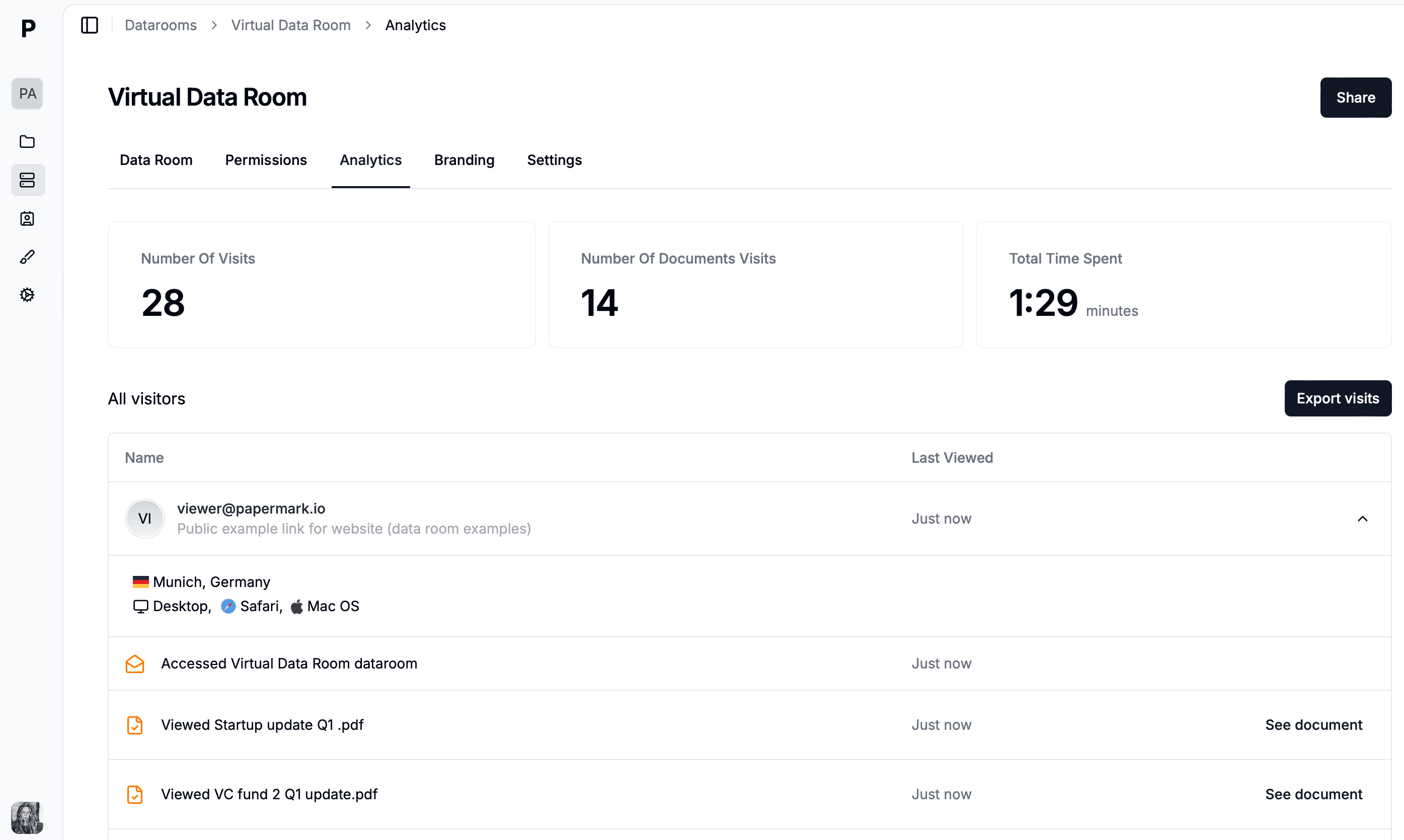
Share your pitch deck via trackable link to gauge interest
Monitor which sections resonate with different accelerators
Identify which partners view your materials multiple times
500 Global: Highlight international expansion plans
Pro tip: Use Papermark's data room to organize different deck versions and supporting documents.
3. Strategic Follow-up
Convert initial interest into interviews:
Get notified when partners re-review your deck
See which financial projections they spend time on
Follow up with relevant updates based on their focus
Track email opens to time your follow-ups perfectly
4. Application Security
Protect your intellectual property during the process:
Set expiration dates on sensitive documents
Use dynamic watermarking for confidential info
Control screenshot permissions by recipient
Track document forwarding within accelerator teams
How to Share Your Pitch Deck with Investors During Accelerator Programs
There is no guarantee that investors will say yes, and the chances are low - on average, only 1/100 pitches result in investment. The best you can do is capture interest as soon as possible or get a no and move on.
How? Share your pitch deck as a link not as an attachment and get insights if investors are interested:
Get notified when investors view your deck
Track how long they were on each page of your deck
Capture emails of investors who viewed your deck
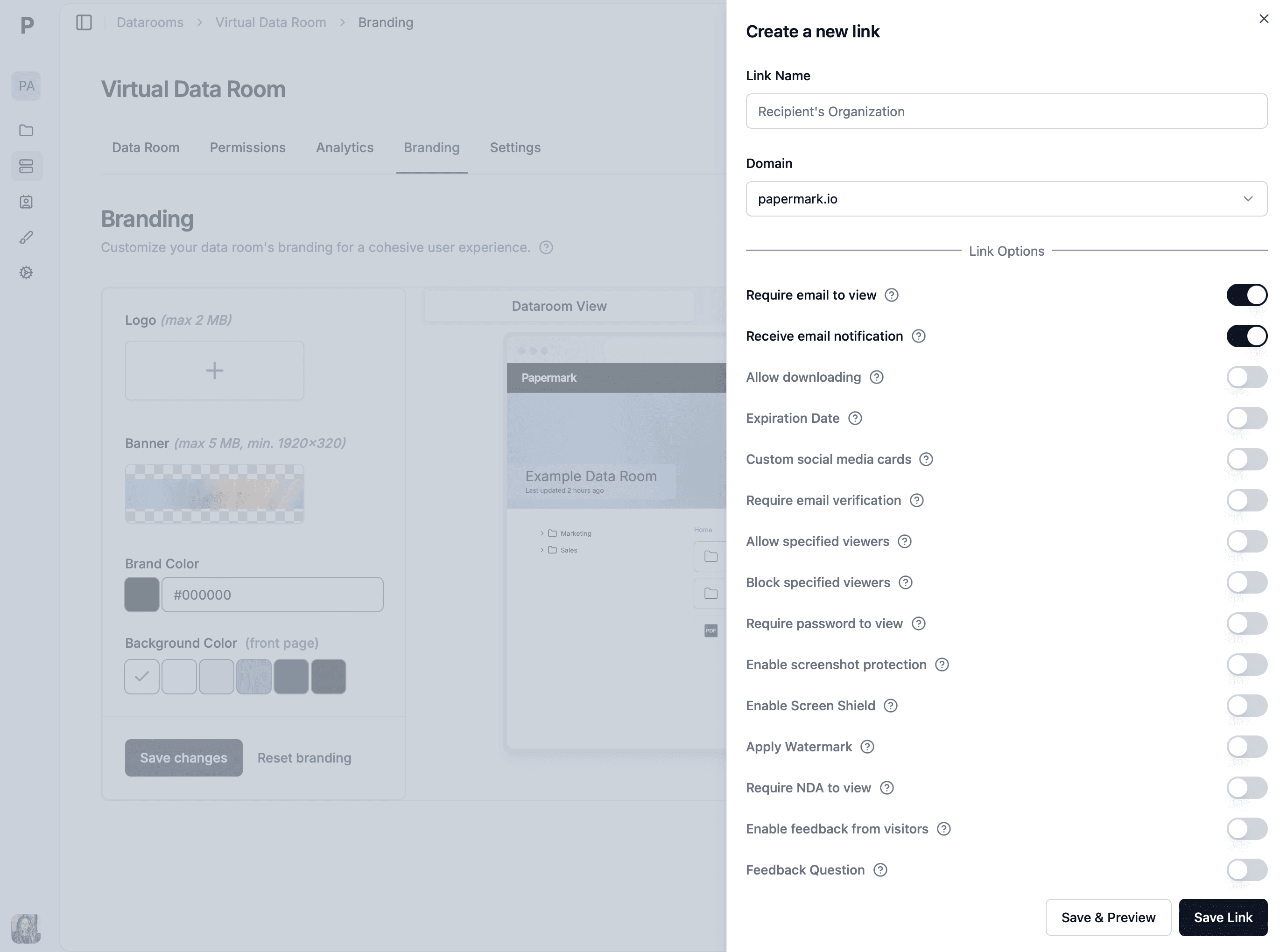
Protect your IP using watermark, screenshot protection and other link permissions
Demo day is your moment to shine in front of hundreds of potential investors. Here's how successful founders make the most of this opportunity:
Before the Big Day
The weeks leading up to demo day are crucial for preparation. Start by researching the investor audience - understand their portfolios, investment theses, and recent deals. Create multiple versions of your pitch to resonate with different investor profiles. For international accelerators, consider timezone differences when scheduling follow-up meetings. Most importantly, leverage your mentor network to get candid feedback on your pitch and make refinements.
Perfecting Your Presentation
Whether virtual or in-person, your presentation needs to be flawless. Invest in professional recording equipment if presenting virtually - poor audio or video quality can kill investor interest instantly. Practice your timing religiously - most accelerators give you just 3-5 minutes to tell your story. Focus on your most compelling metrics and be prepared to address questions about regional expansion plans, especially for international investors.
Strategic Follow-Up
The real work begins after your presentation. Have your pitch deck ready to share via secure, trackable links the moment investors express interest. Using Papermark's analytics, you can see which investors spend time reviewing your financials or growth metrics, helping you tailor your follow-up conversations. Keep your data room updated with fresh metrics and be ready to share access selectively while maintaining control over sensitive information.
Conclusion: Choosing the Right Global Accelerator in 2026
The key to selecting the right accelerator lies in understanding your startup's needs and growth trajectory. Consider factors like:
Geographic focus and market access
Industry expertise and mentor network
Investment terms and program structure
Alumni success stories and network
Post-program support and resources
Remember to protect your intellectual property during the application process by using secure pitch deck sharing tools and maintaining control over your sensitive information.