BlogFundraising15 Best Startup Accelerators in New York in 2026
15 Best Startup Accelerators in New York in 2026
·6 min read
Marc Seitz
New York City has emerged as a powerhouse for startup innovation, second only to Silicon Valley in venture capital activity. According to CB Insights' State of Venture Report, NYC-based accelerators have helped launch unicorns valued at over $100B combined. The city's diverse economy, spanning finance, media, fashion, and technology, creates unique opportunities for startups across sectors.
This comprehensive guide explores the best accelerator programs in New York, their unique offerings, and how to maximize your chances of acceptance.
Quick Overview of Top Startup Accelerators in New York
Accelerator
Focus Areas
Investments
Notable Exits
Investment Size
Program Length
Success Rate
Techstars NYC
Tech, AI/ML
500+
75+
$120K
3 months
85%
ERA
All sectors
250+
40+
$100K
4 months
80%
AngelPad NYC
B2B, SaaS
150+
30+
$120K
3 months
88%
Founders Institute NY
All sectors
1000+
50+
Revenue share
4 months
75%
NYU Future Labs
Deep Tech, AI
150+
25+
Varies
6 months
82%
FinTech Innovation Lab
Fintech
100+
20+
No equity
3 months
85%
Dreamit
HealthTech, Urban
350+
40+
$500K
14 weeks
78%
Metaprop NYC
PropTech
150+
35+
Up to $250K
5 months
85%
Cornell Tech Runway
Deep Tech
100+
20+
Up to $100K
12 months
82%
New Lab
Hardware
150+
25+
Varies
6-12 months
75%
Barclays NYC
FinTech
200+
30+
$120K
13 weeks
85%
StartUp Health
Health Tech
391+
33+
Varies
Ongoing
80%
Forum Ventures
B2B SaaS
372+
31+
Varies
8 weeks
85%
Betaworks
Tech, Media
217+
71+
Varies
Varies
82%
R/GA Ventures
Marketing Tech
120+
25+
Up to $250K
4 months
85%
How to Get Accepted into Top NYC Accelerators?
Securing a spot in NYC's top accelerators requires specific preparation, with acceptance rates often below 2%. Here's what successful applicants focus on:
NYC Market Focus
Demonstrate clear understanding of NYC's market dynamics
Show how you'll leverage NYC's industry strengths (fintech, media, fashion, etc.)
Highlight any existing NYC partnerships or pilot customers
Traction & Validation
NYC accelerators prioritize revenue over user growth
Minimum $10K-20K MRR for B2B startups
Strong unit economics and clear path to profitability
Enterprise pilots with NYC-based companies are highly valued
Team & Network
Local presence or commitment to relocate to NYC
Industry expertise in NYC's key sectors
Previous startup experience or domain expertise
Connections to NYC's business community
Program-Specific Requirements
Techstars NYC: Strong tech focus and scalable business model
ERA: Product-market fit evidence and clear growth metrics
FinTech Innovation Lab: Existing prototype and financial institution interest
NYU Future Labs: Deep tech innovation with research backing
Application Strategy
Apply to multiple programs but customize each application
Get warm introductions from alumni or mentors
Attend accelerator events and info sessions
Build relationships before application deadlines
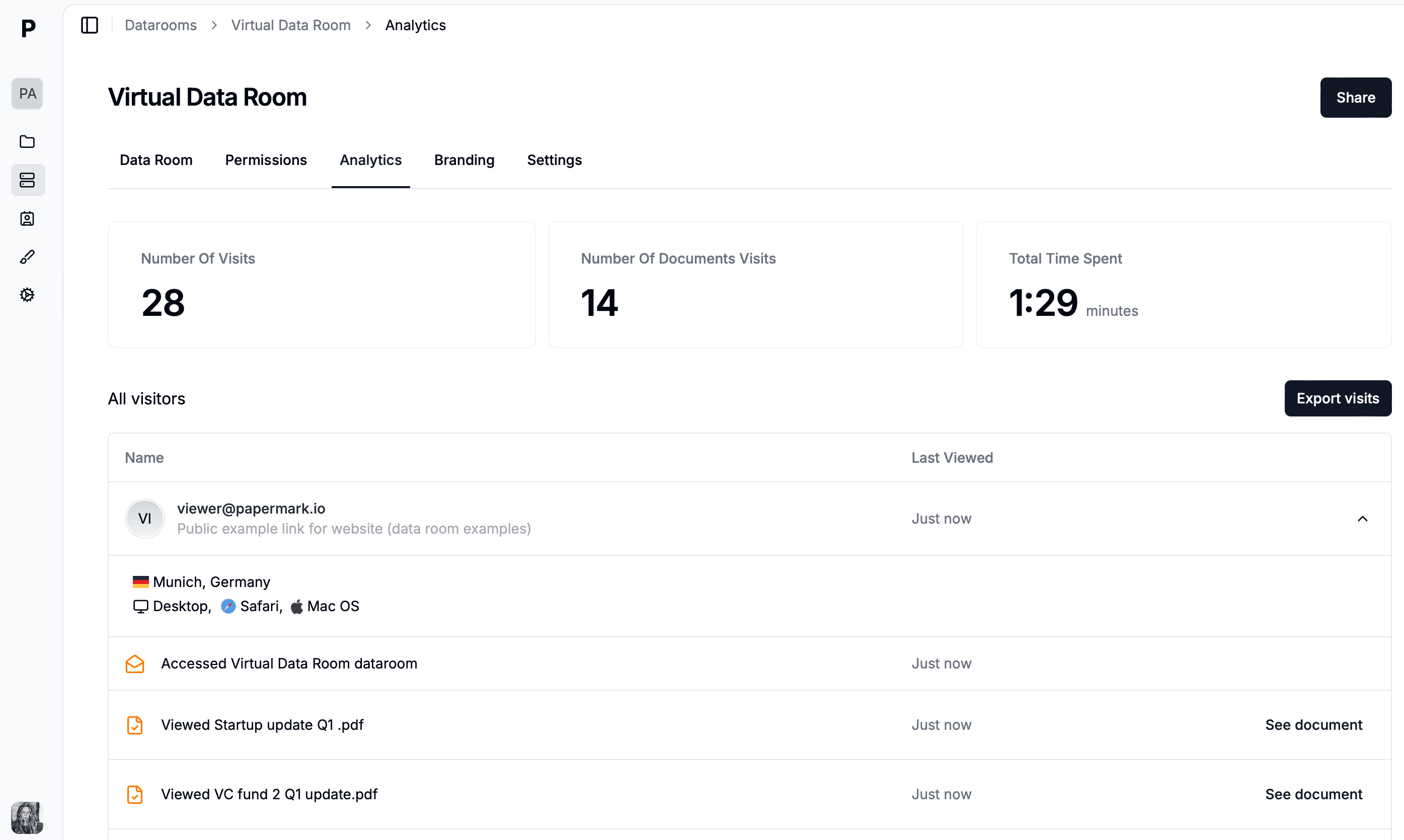
Share your pitch deck as a link not as an attachment and get insights if accelerators are interested
Get notified when accelerator partners view your deck
Track how long they were on each page of your deck
Capture emails of partners who viewed your deck
Protect your IP using watermark, screenshot protection and other link permissions
With acceptance rates under 2% and demo day attendance from 100+ NYC investors, preparation is crucial. Here's how successful founders maximize their chances:
Pre-Demo Day Strategy
Share your pitch deck via trackable link to gauge investor interest before the event
Use watermarked decks to protect sensitive information
Conclusion: Choosing the Right NYC Accelerator in 2026
New York's accelerator ecosystem offers unique opportunities for startups across various sectors, from fintech to urban tech. The key to success lies in choosing the right program that aligns with your startup's goals and stage of development. Whether you're building the next AI unicorn or disrupting traditional industries, NYC's accelerators provide the perfect launchpad for ambitious founders.
Remember that acceptance rates at top programs can be as low as 1-2%, making it crucial to prepare thoroughly and present your startup in the best possible light. Use secure pitch deck sharing tools to track engagement and protect your intellectual property during the application process.