





datarooms
Data Room Checklist 2026: 40 Essential Documents (M&A, Fundraising, Due Diligence)
Data room checklist 2026 with 40 essential documents for M&A, fundraising, and due diligence, staged by deal type, plus what buyers actually open first.
A venture fund data room checklist covers the documents a VC firm shares with limited partners during a fund raise (Fund I, II, III, etc.). The checklist is longer than a startup fundraising data room because LPs evaluate the firm itself, not just a single portfolio company: fund terms, track record across prior vintages, investment strategy, ESG posture, and team credentials. This guide covers the complete checklist and best practices for organizing the room.
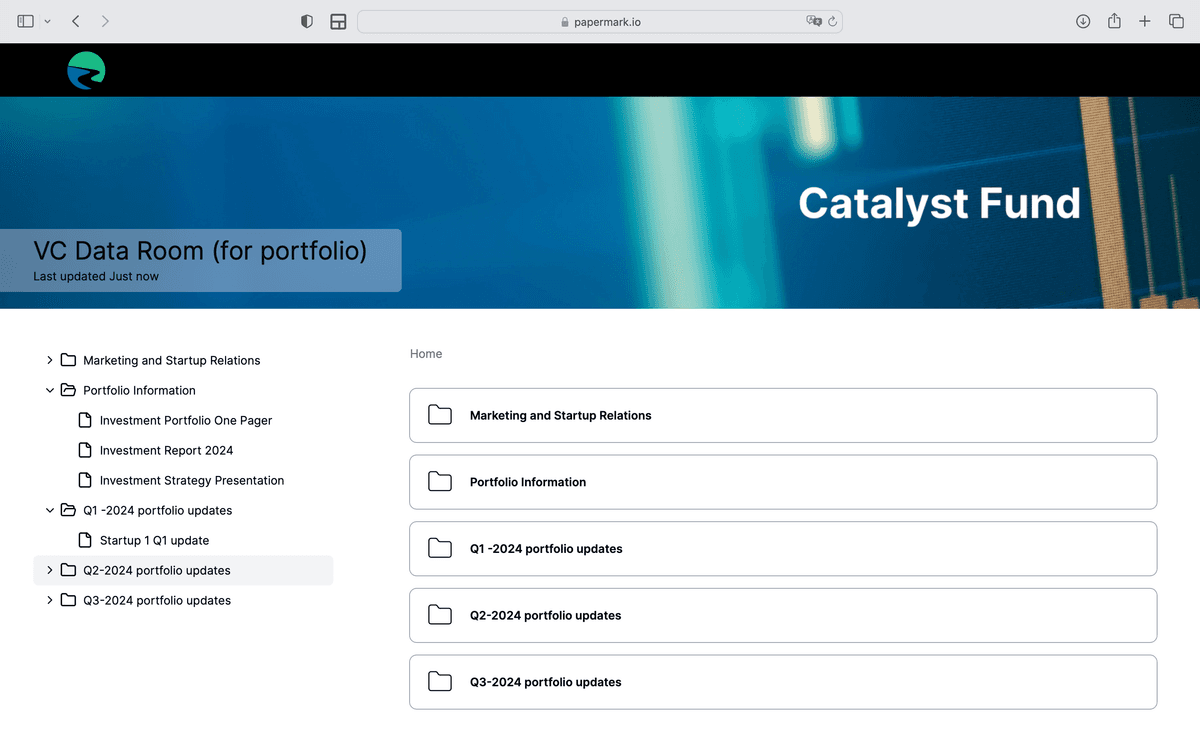
The table below lists the complete document set for a venture fund data room. Fund I raises can skip some historical sections; Fund II+ raises add track record and realized performance.
Here's a comprehensive checklist of documents to include in your venture fund data room:
| Category | Documents | Priority |
|---|---|---|
| Fund Overview | Fund Presentation, Executive Summary, Investment Thesis | High |
| Legal & Governance | LPA, PPM, Subscription Documents, Fund Formation Documents | High |
| Team Information | Partner Bios, Track Records, Team Structure | High |
| Financial Information | Fund Performance, Capital Account Statements, Financial Projections | High |
| Portfolio Companies | Portfolio Overview, Investment Memos, Valuation Reports | High |
| Investment Strategy | Investment Process, Deal Flow Sources, Due Diligence Framework | Medium |
| LP Relations | LP Reports, Capital Call Notices, Distribution Notices | Medium |
| ESG & Impact | ESG Policy, Impact Metrics, Sustainability Reports | Medium |
These documents provide a comprehensive introduction to your venture fund:
These documents establish the legal framework and governance structure of your fund:
Showcase the expertise and experience of your investment team:
Provide transparent insights into the fund's financial performance:
| Financial Document | Update Frequency | Access Level |
|---|---|---|
| Fund Performance Dashboard | Quarterly | All LPs |
| Capital Account Statements | Quarterly | LP-Specific |
| Audited Financial Statements | Annually | All LPs |
| Cash Flow Projections | Semi-Annually | All LPs |
| Fund Expense Reports | Quarterly | All LPs |
Provide detailed information about your fund's investments:
Explain your fund's approach to identifying and executing investments:
Documents related to ongoing communication with limited partners:
Demonstrate your fund's commitment to responsible investing:
A well-organized data room enhances usability, accessibility, and security. Here are best practices for structuring and securing your venture fund data room:
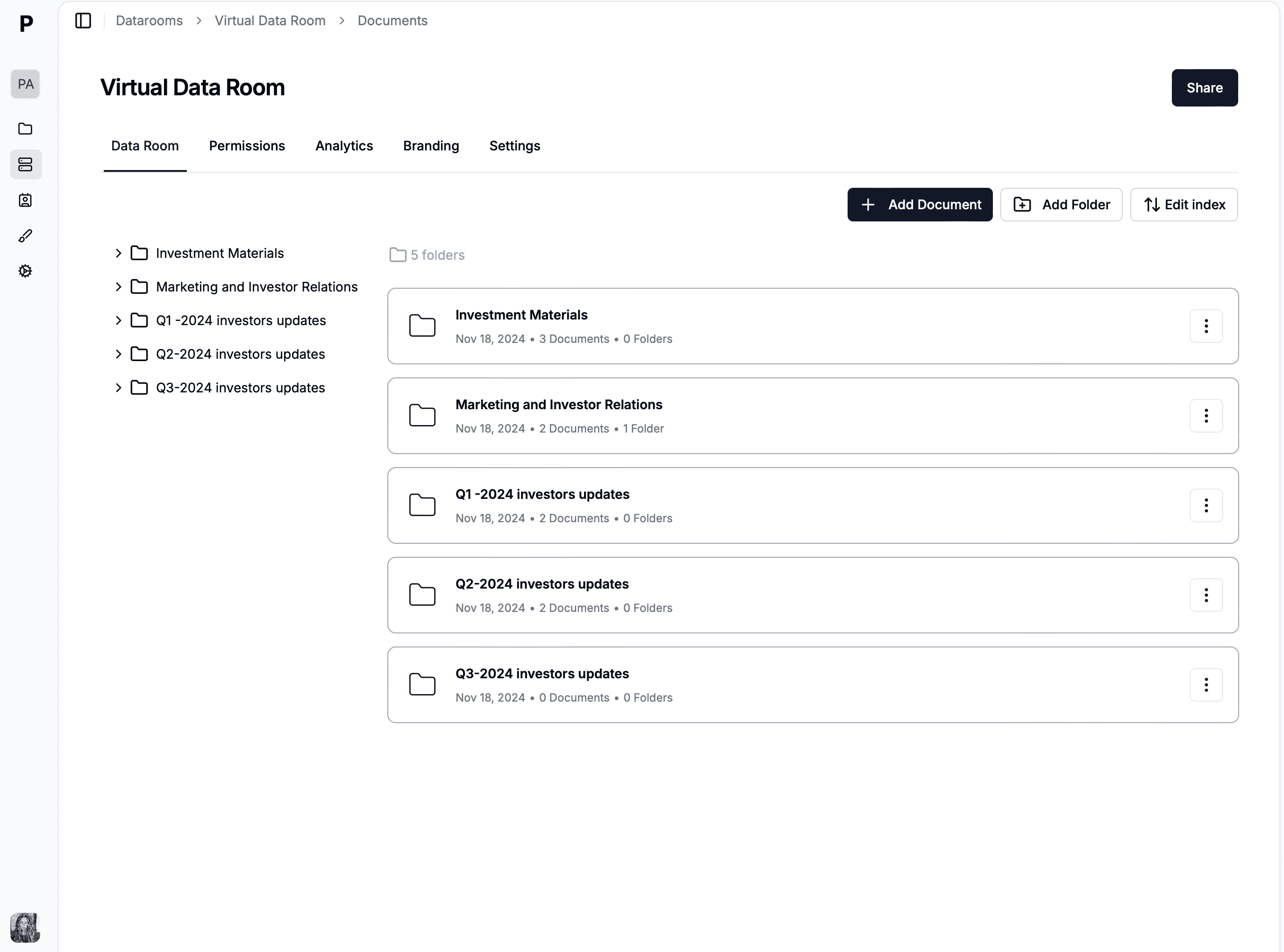
Organize documents into clear categories following the checklist above. Use consistent naming conventions for all folders and subfolders.
Maintain document version history to track changes over time. Include dates in file names for regularly updated documents (e.g., "Q2_2025_LP_Report.pdf").
Create a master document that explains the data room structure and helps users navigate to specific information quickly.
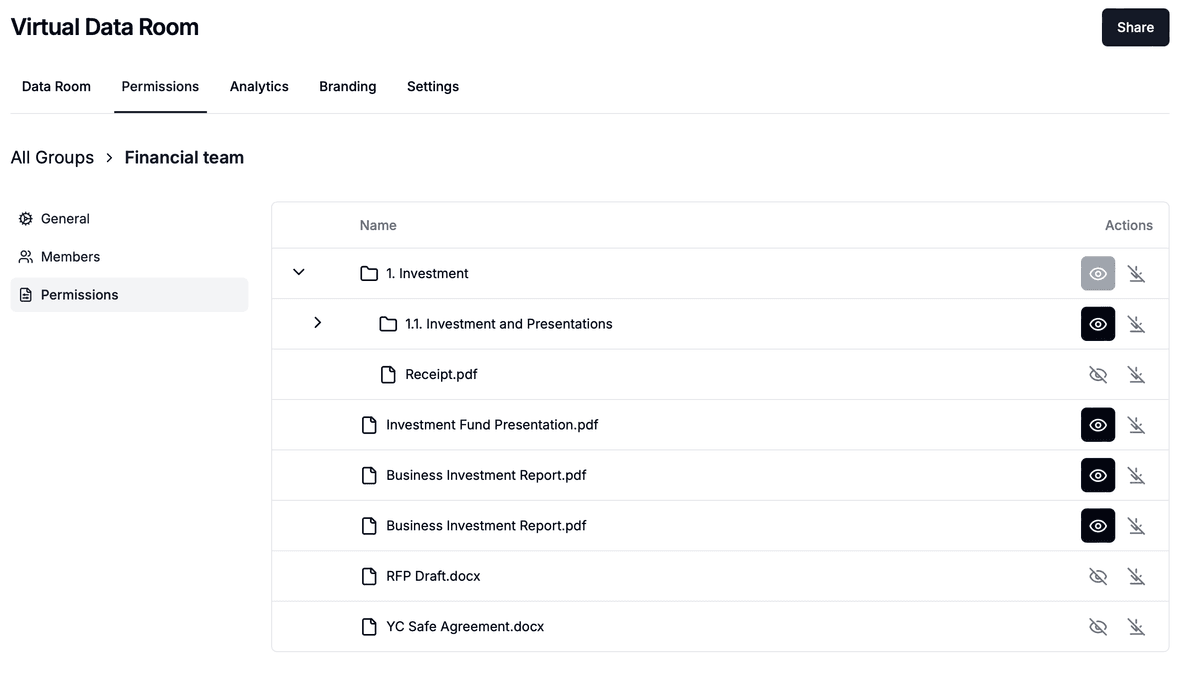
Implement granular access controls to ensure sensitive information is only available to authorized users:
| User Type | Access Level | Document Restrictions |
|---|---|---|
| Prospective LPs (Early Stage) | Basic | Fund Overview, Team Information, Redacted Track Record |
| Prospective LPs (Advanced DD) | Standard | Most Documents Except LP-Specific Information |
| Existing LPs | Full | All Documents Including LP-Specific Reports |
| LPAC Members | Extended | All Documents Plus LPAC Materials |
| Fund Auditors | Financial Focus | Financial Documents, Legal Documents |
Establish a schedule for updating different categories of documents:
Select a data room provider with robust security features, including:
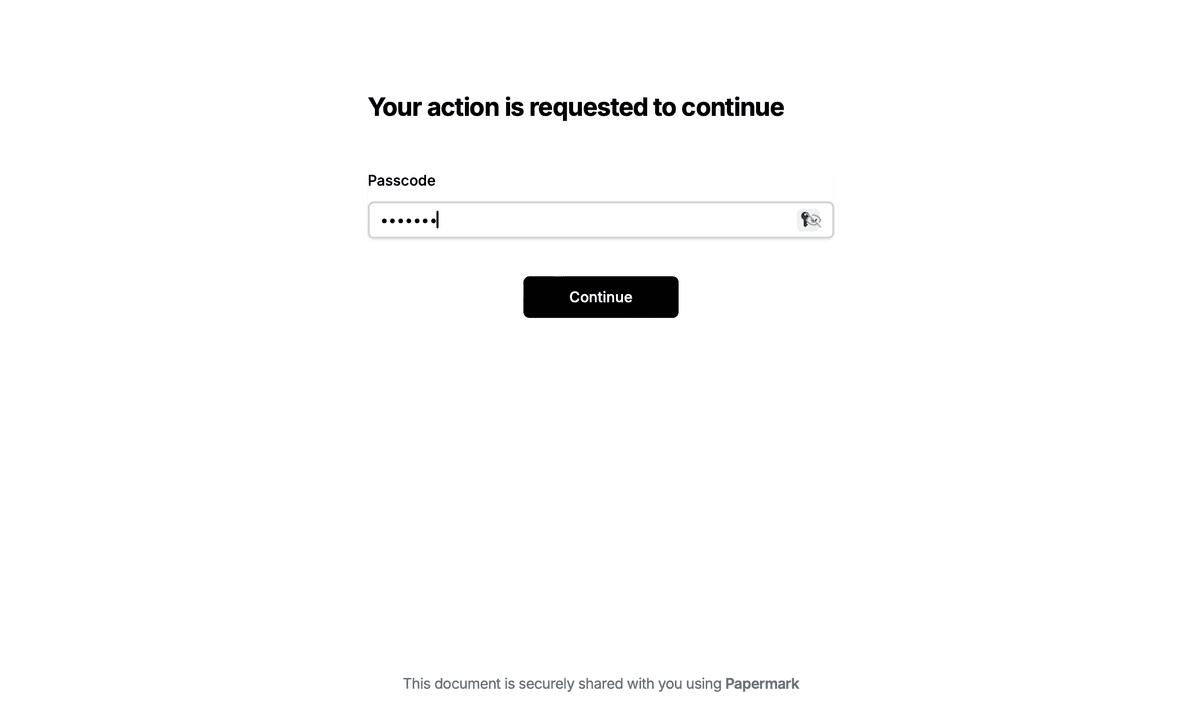
Apply appropriate protection to sensitive documents:
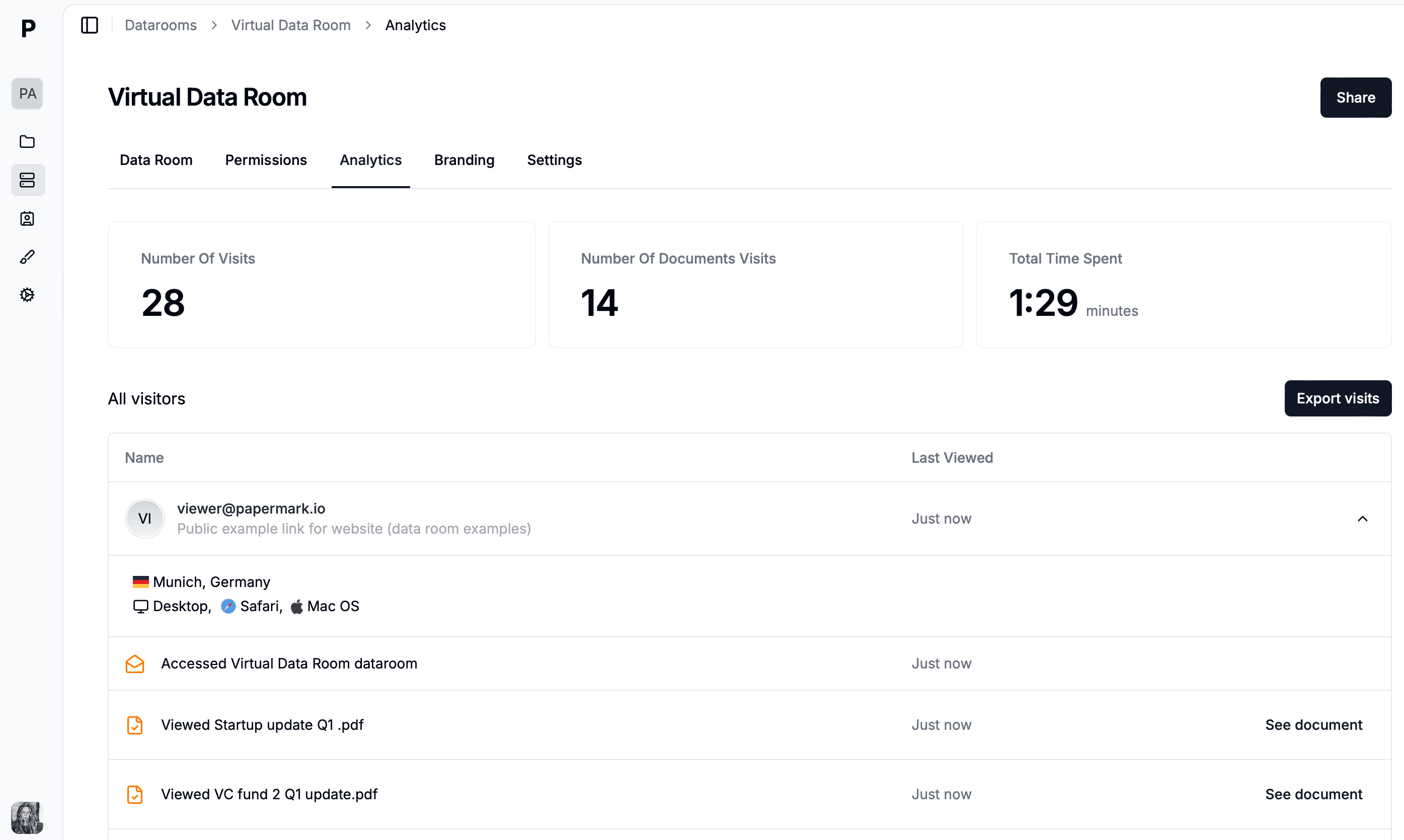
Track how users interact with your data room:
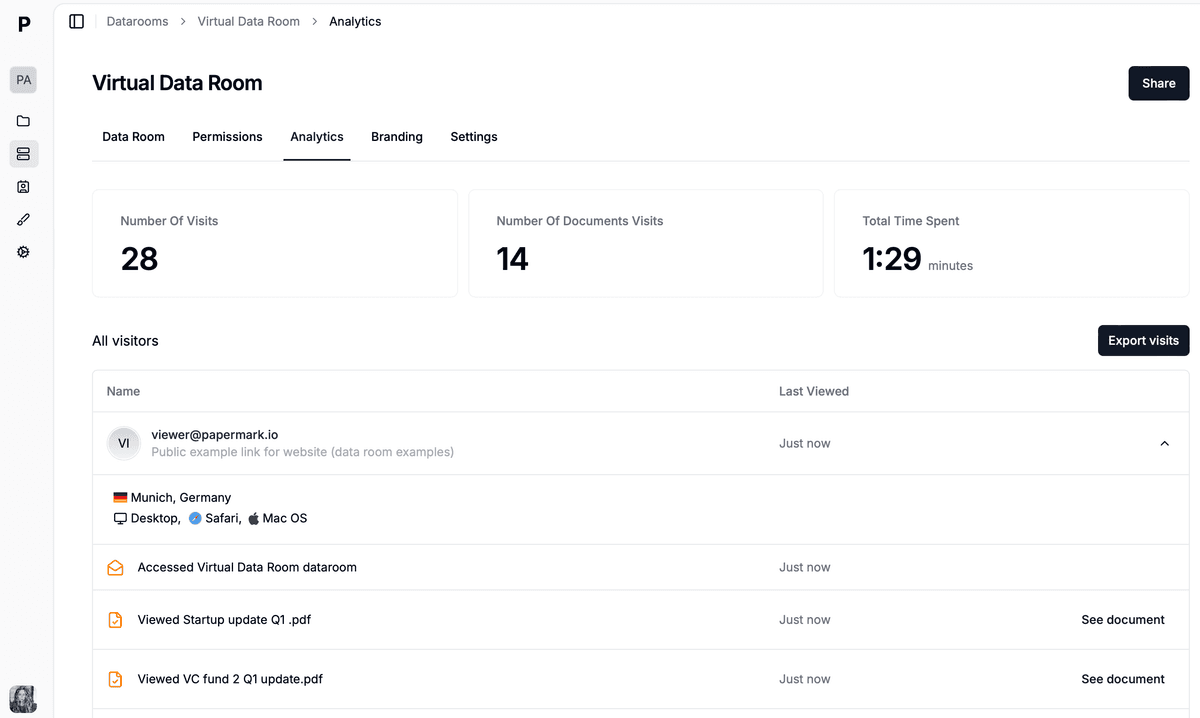
Papermark offers an ideal solution for venture funds with its combination of robust security, comprehensive analytics, and user-friendly interface. The platform's document tracking capabilities provide valuable insights into LP engagement, while customizable access controls ensure sensitive information remains protected.
Use this template to track the completion status of your data room:
| Priority Level | Document Type | Status |
|---|---|---|
| Priority 1 (Must-Have) | Fund Presentation | ⬜ |
| Priority 1 (Must-Have) | Limited Partnership Agreement | ⬜ |
| Priority 1 (Must-Have) | Private Placement Memorandum | ⬜ |
| Priority 1 (Must-Have) | Partner Biographies | ⬜ |
| Priority 1 (Must-Have) | Track Record | ⬜ |
| Priority 1 (Must-Have) | Fund Performance Metrics | ⬜ |
| Priority 1 (Must-Have) | Portfolio Overview | ⬜ |
| Priority 1 (Must-Have) | Investment Thesis | ⬜ |
| Priority 2 (Important) | Subscription Documents | ⬜ |
| Priority 2 (Important) | Team Structure | ⬜ |
| Priority 2 (Important) | Financial Projections | ⬜ |
| Priority 2 (Important) | Investment Process Documentation | ⬜ |
| Priority 2 (Important) | LP Report Examples | ⬜ |
| Priority 2 (Important) | Case Studies | ⬜ |
| Priority 3 (Nice-to-Have) | ESG Policy | ⬜ |
| Priority 3 (Nice-to-Have) | Sector Theses | ⬜ |
| Priority 3 (Nice-to-Have) | LPAC Materials | ⬜ |
| Priority 3 (Nice-to-Have) | Exit Analyses | ⬜ |
| Priority 3 (Nice-to-Have) | Impact Metrics | ⬜ |
💡 Pro Tip: Start with Priority 1 documents and work your way down. Most LPs will initially focus on these core documents during their preliminary evaluation.
See how Two organized their fundraising data room to secure €13M in Series A funding:
Unlike email or Google Drive which lack robust security controls and activity tracking, dedicated data room providers offer enterprise-grade protection for your sensitive fund information, preventing unauthorized access, data leaks, and providing detailed analytics on document engagement.
Selecting the appropriate data room provider is crucial for venture funds. Consider these factors:
Papermark offers an ideal solution for venture funds with its combination of robust security, comprehensive analytics, and user-friendly interface. The platform's document tracking capabilities provide valuable insights into LP engagement, while customizable access controls ensure sensitive information remains protected.
No credit card required.
See how Icebreaker.vc used data rooms to successfully raise their Fund III:
Data room checklist 2026 with 40 essential documents for M&A, fundraising, and due diligence, staged by deal type, plus what buyers actually open first.
The 12 documents LPs actually open first in a Fund I data room, and the playbook used to close $35M (TBD VC) and €50M+ (Backtrace Capital) in 2026.
Complete IPO data room checklist for 2026: S-1 and prospectus documents, folder structure, preparation timeline, essential VDR features, and how to run it on Papermark.